Who we work with
Architectural visualisation for property marketing agencies
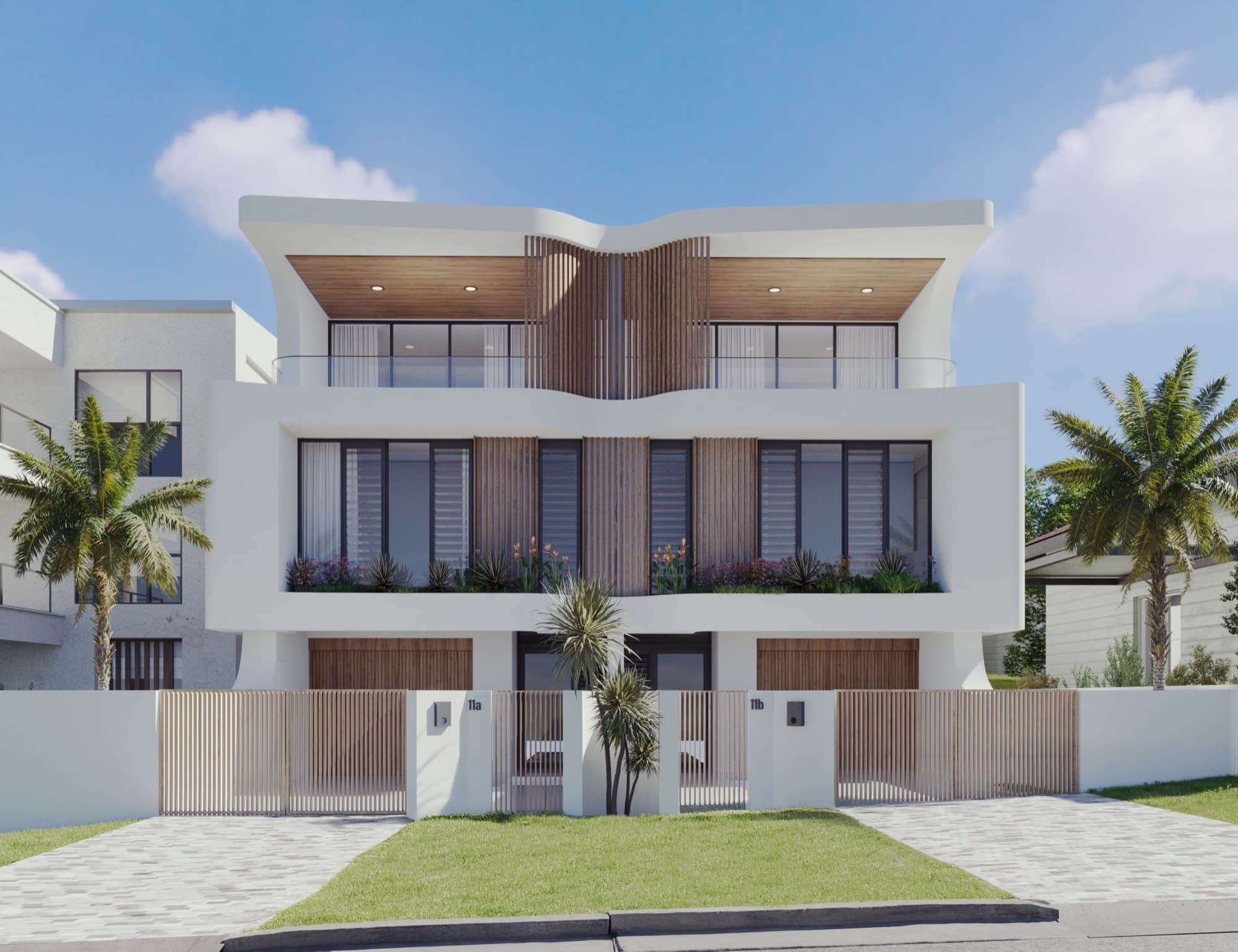
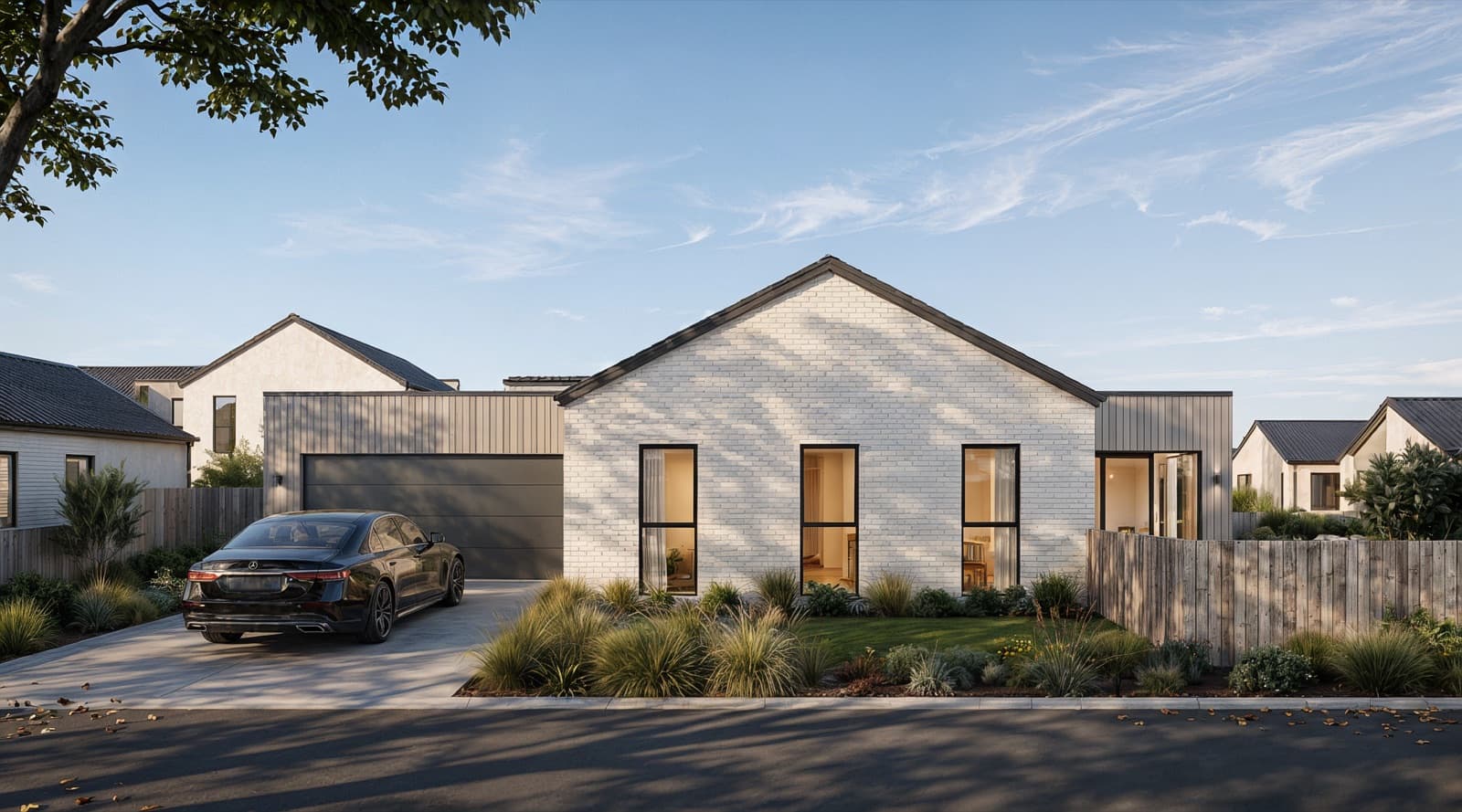
Render Works creates architectural renders, film and campaign assets for property marketing agencies working on Australian developments. Bring us the campaign direction, design information and intended formats. We can scope the visualisation around your layouts and coordinate the review process with your team, the developer and the people responsible for the design.
Where can Render Works fit into an agency campaign?
The agency can lead the positioning, identity and media plan while Render Works produces the property imagery. Agree on that division at the start, including who prepares the brochure, website, listing copy and final advertising layouts.
If the project also needs an identity or website, those can form part of the discussion. At The Horsham Residences in Hamilton, the scope included renders, branding and a bespoke website. For an agency with those pieces already in place, the render brief can focus on fitting the existing direction.
Send layouts as early as possible. A facade that works well in a wide website header may need a different camera composition for a narrow sign or portrait advertisement. Early layout references let us check that the architecture remains readable in each format.
Which assets should the brief define?
| Asset | What to agree | Who needs it |
|---|---|---|
| Still images | View list, dwelling types, finishes and image dimensions | Creative team, sales team and developer |
| Film | Scenes, aspect ratios, final versions and intended placement | Website, media and social teams |
| Image variants | Portrait crops, clean images and agreed styling alternatives | Designers preparing channel-specific layouts |
| Website imagery | Hero compositions, supporting views and responsive crops | Website designer or developer |
| Handover | Approved files, naming, usage and version control | Everyone publishing the campaign |
Keep the deliverables tied to actual placements. REA Group's project profile guidance recommends using property imagery prominently and providing a clear enquiry route. The campaign should make it easy to move from seeing the building to requesting the relevant project information.
How should agency, developer and architect feedback be coordinated?
Give design accuracy and campaign presentation clear owners. The architect or developer can confirm geometry and specifications; the agency can assess composition, styling and suitability for the campaign. One nominated contact should consolidate the instructions sent to the studio.
- Step 01
Agree the brief
Record the views, audiences, creative references and output formats, including any decisions still outstanding. - Step 02
Review the cameras
Check that each view explains the required space and works with the intended layout before detailed finishing. - Step 03
Consolidate corrections
Combine design and creative comments in one markup. Identify the drawing or specification behind each factual correction. - Step 04
Approve the campaign set
Check the revised images together, then record the final files approved for publication and their intended uses.
The developer render approval checklist gives the project team a shared structure for this review.
How do you keep the campaign consistent across channels?
Use one approved image set as the source for the brochure, listings, website and advertising. Track the image identifier, represented dwelling type and any caption that needs to travel with it. When a material or design changes, check every affected view before updating the channel files.
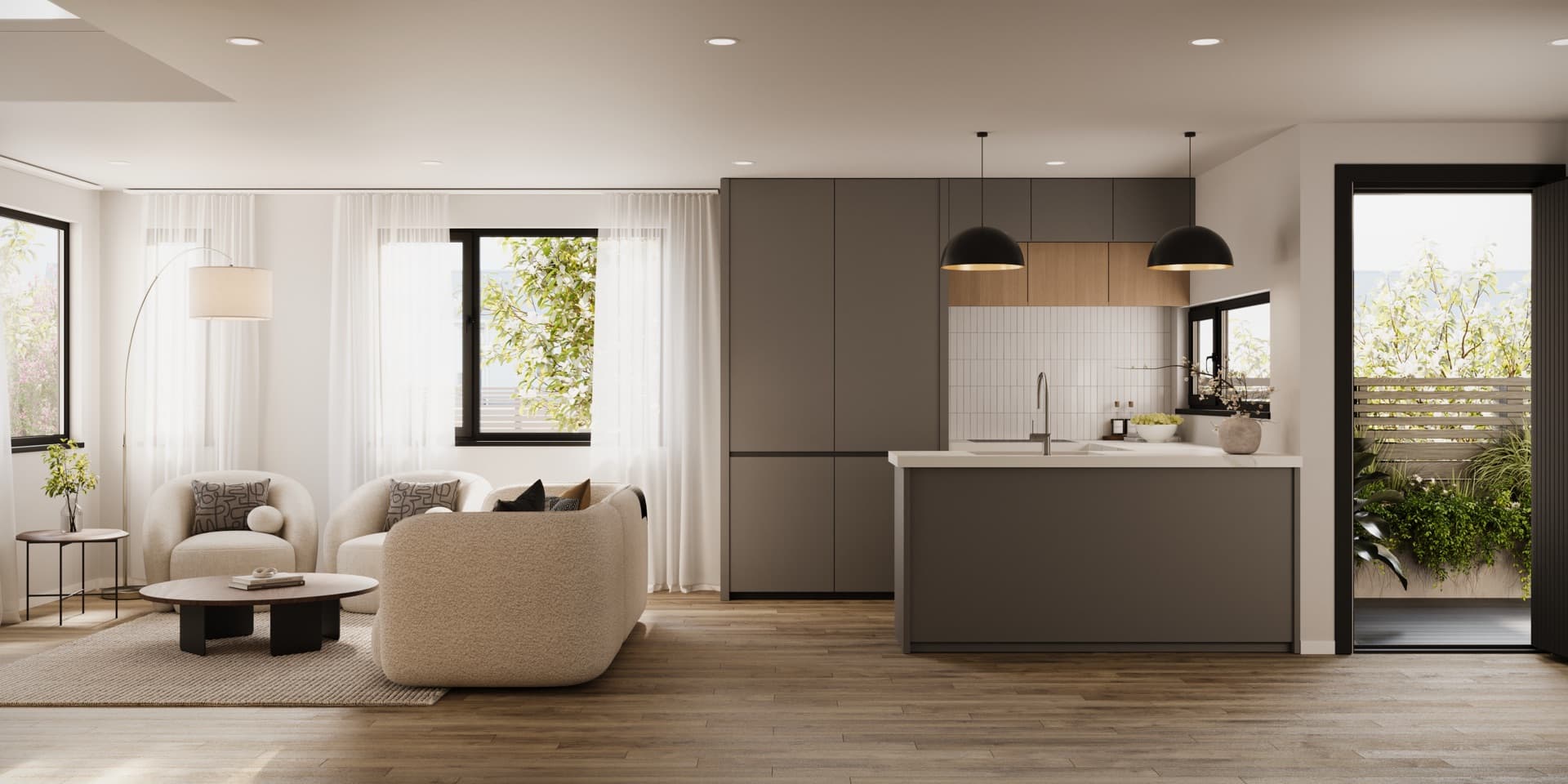
At View Road, the interiors were supplied with and without people. That gives a useful example of defining versions intentionally: the composition and finishes remain consistent while the campaign team chooses the version that suits the placement.
- Use the same dwelling identifiers in filenames, floor plans and campaign copy
- Keep master images separate from cropped channel exports
- Record the approved image version and its relevant caption
- Confirm usage and handover requirements in the agreed scope
- Remove superseded files from the folder used by the publishing team
What should an agency send to start the conversation?
Send the current plans, a model if available, the finishes schedule and your proposed view list. Add the creative brief, brand references and sample layouts, plus the contacts who will review the work. Flag missing information so the scope can account for it.
For a broader launch, use the Australian development marketing checklist to map the assets and responsibilities before production begins.
Last updated 15 October 2026
Frequently asked questions
Can an agency coordinate the render brief and feedback?
Yes. Nominate the agency contact and the people responsible for design and specification approval. Consolidate feedback into one set so the studio has clear instructions and the developer retains the agreed sign-off role.
Can you work within an existing development identity?
Yes. Supply the brand guidelines, campaign layouts and image references. We can plan compositions and delivery formats around that direction while keeping the architecture and materials consistent with the project specification.
Can we commission renders, film and a website together?
These services can be scoped together. Identify the parts your agency is producing and the parts you need from Render Works, then agree on the content, formats and handover responsibilities.
What should the agency supply at the start?
Send the campaign brief, current design documents, finishes, proposed view list, brand references and intended output formats. Include the review contacts and any unresolved design decisions that affect the images.