Marketing
Property Development Marketing: Beyond the Renders
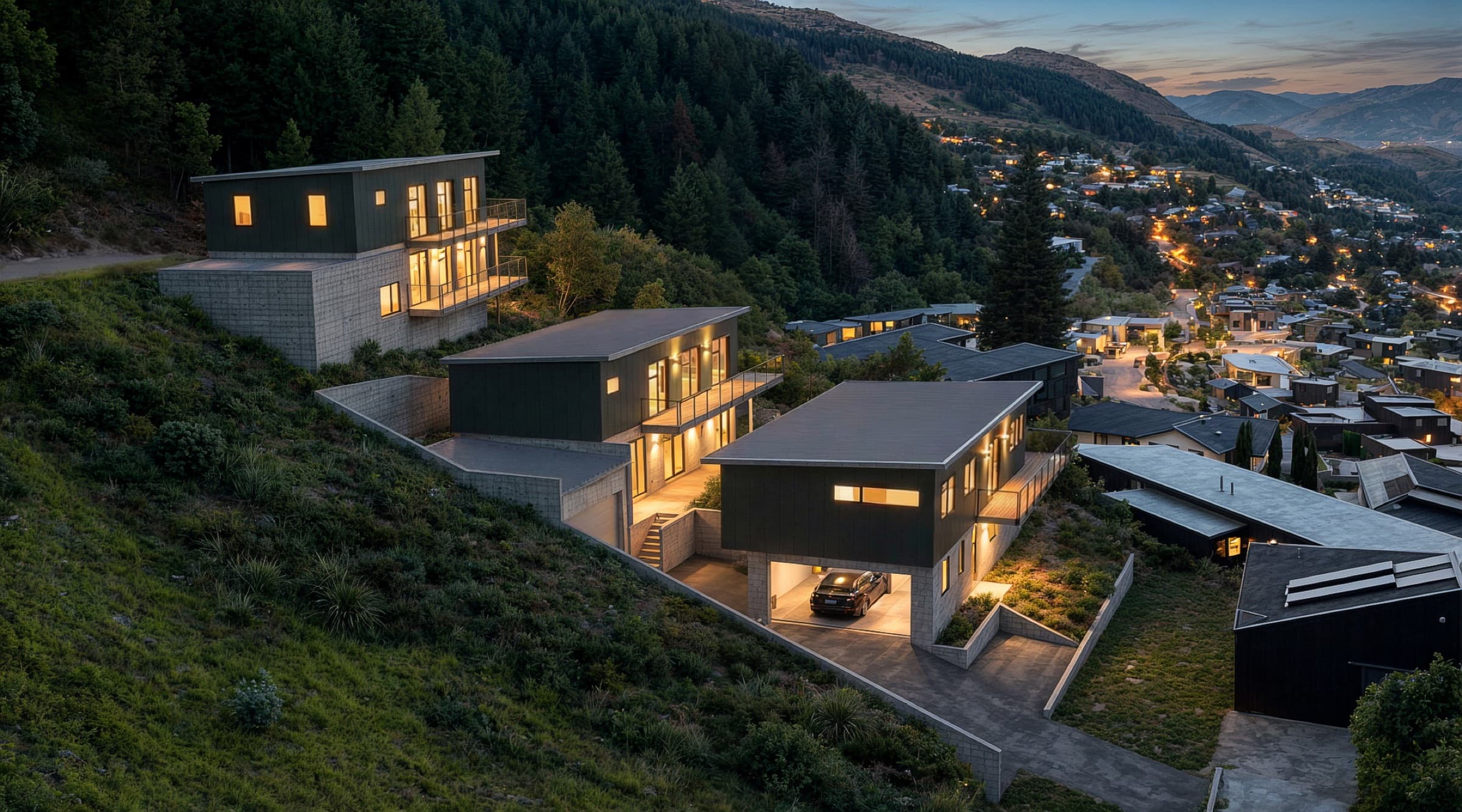
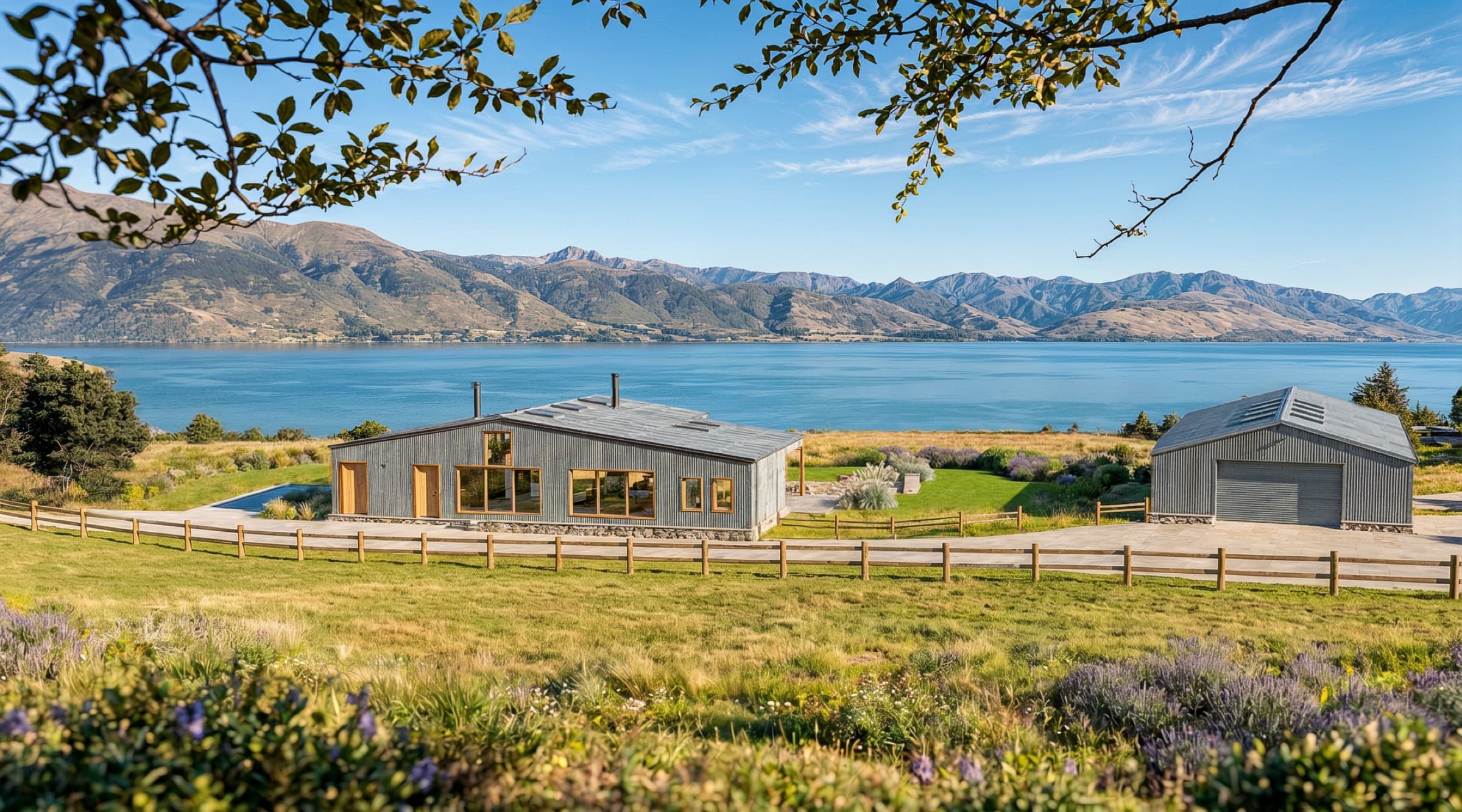
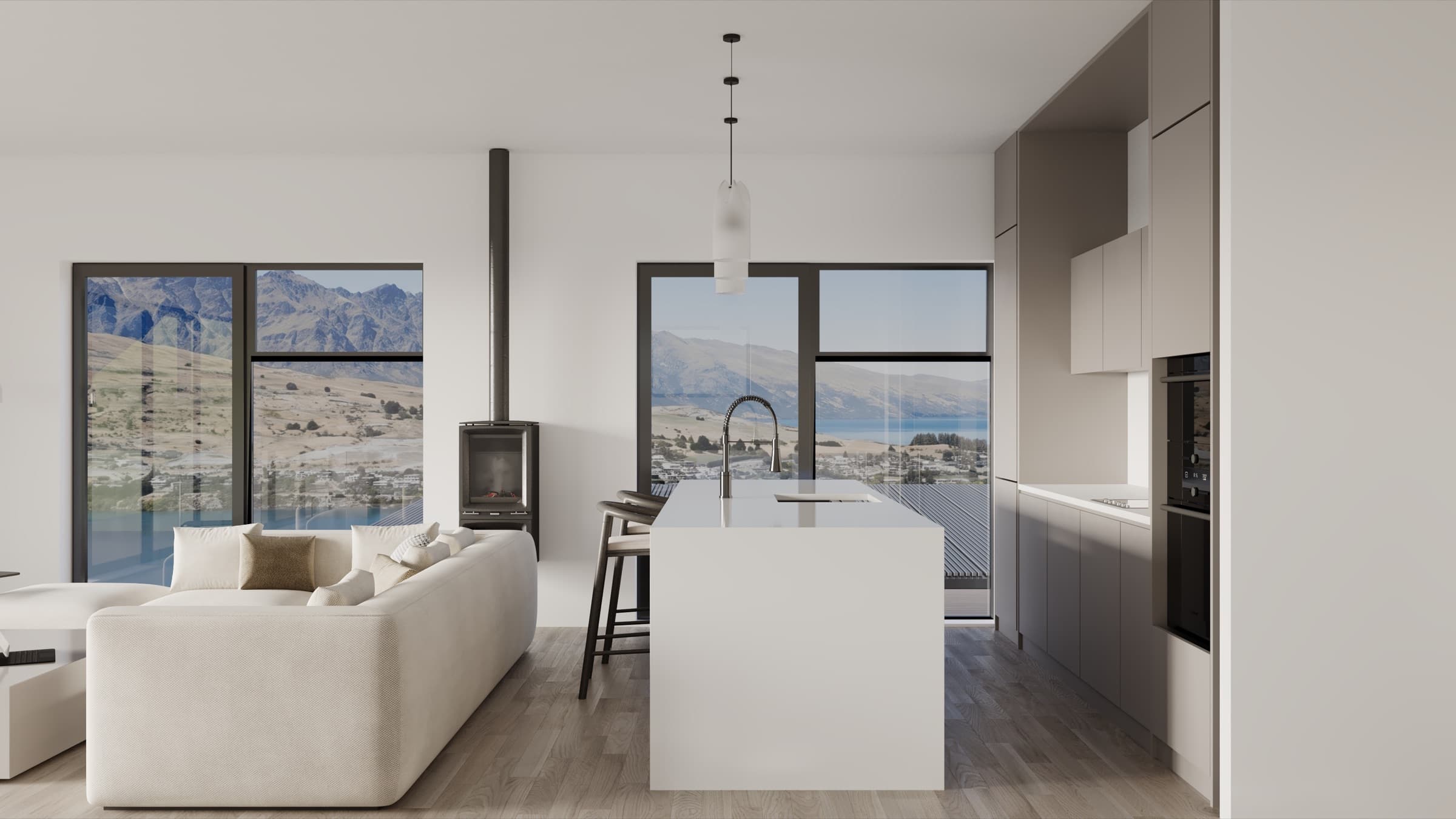
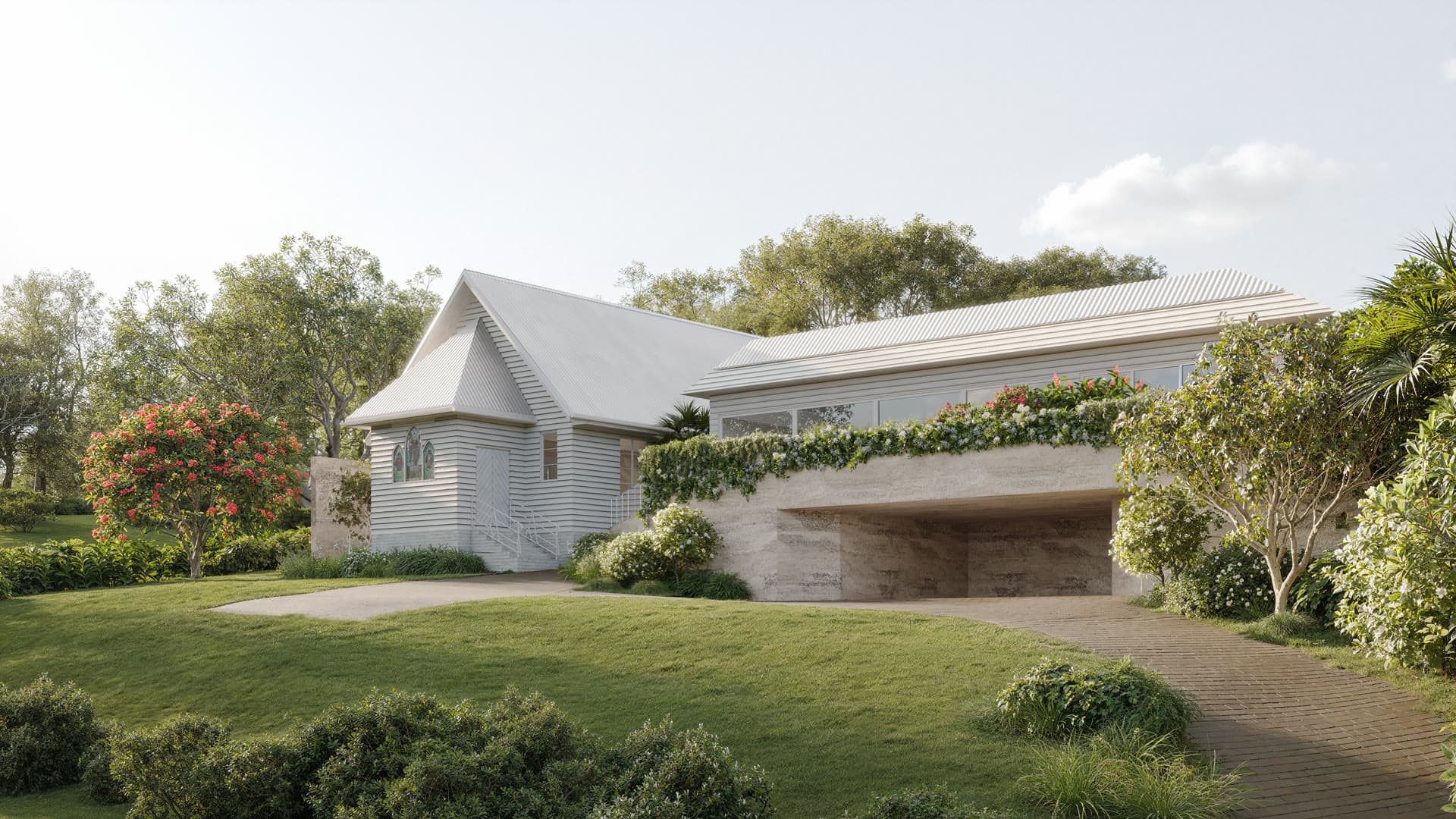
Marketing a property development takes more than 3D renders. A campaign runs on a connected toolkit: renders, cinematic video, a website or landing page, brochures, social media, and digital advertising. Renders are the visual backbone, the asset every other channel reuses, but on their own they do not sell a development.
What does property development marketing involve beyond renders?
Property development marketing is the full set of channels a developer uses to get a project in front of buyers and convince them to enquire, and 3D renders are the starting point rather than the whole job. The renders show what the finished building will look like before it exists. Everything else carries those images to where buyers actually are: a listing portal, a Google search, an Instagram feed, a printed brochure on the sales suite table.
Most buyers begin online. The National Association of Realtors found that 43% of buyers' first step was looking at properties online, and almost every buyer used the internet at some point in their search (NAR, 2024, US data, useful here as a directional benchmark). Photos, detailed property information, and floor plans were the listing features buyers valued most. For an off-the-plan development there are no photos yet, so renders do that work. They become the photos, and then they get reused across every channel below.
How do 3D renders work as the foundation of a campaign?
3D renders are the foundation because they are the one asset every other channel draws on, which keeps a campaign visually consistent from the first ad to the signed contract. A single set of exterior and interior stills can appear in the portal listing, the brochure, the website hero, the social posts, and the paid ads. The buyer sees the same kitchen, the same streetscape, the same light through the same windows everywhere they look. That repetition builds recognition.
Renders also unlock formats buyers ask for and rarely get. A 2021 analysis by NAR and BoxBrownie reported that around 58% of buyers wanted a virtual tour and 67% wanted a floor plan, yet most listings included neither. Treat that as illustrative rather than current, but the gap is the point: a render set can generate floor plans, tour stills, and the source frames for a walkthrough video without a fresh shoot. At Render Works a development set of stills usually runs from about $3,000 to $20,000 and takes roughly three weeks from approval, and those same files then feed everything that follows.
How do the channels work together with renders at the centre?
The channels work together when one render set feeds all of them, so the spend on visuals carries across the whole campaign instead of stopping at the listing. Below is how each channel uses the renders and what it adds on top.
| Channel | What it does | How renders feed it |
|---|---|---|
| Listing portal | Puts the development in front of active buyers searching by area and price | Exterior and interior stills become the listing gallery in place of photos |
| Cinematic video | Adds motion, scale, and a sense of how the spaces connect | Built from the same 3D scene as the stills, so it matches the renders exactly |
| Website or landing page | Gives the project a home buyers can explore and enquire from | Renders anchor the hero, gallery, and floor plan sections |
| Brochure and print | Sits in the sales suite and goes home with the buyer | High-resolution stills print large without a separate shoot |
| Social media | Reaches buyers who are not actively searching yet | Stills and short video clips cut down for the feed |
| Digital advertising | Targets defined audiences and retargets website visitors | The same renders run as the ad creative across networks |
Why does a development need a website or landing page?
A development needs its own bespoke website or landing page because the listing portal controls the layout and sits the project next to competitors, while a dedicated page gives the buyer one place to see the renders large, read the detail, and enquire on the developer's terms. It is also where paid ads and social posts send traffic. Sending an ad click to a generic portal listing wastes the click. Sending it to a page built around the project, with the renders front and centre and a clear enquiry form, converts more of that traffic.
What does cinematic video add that stills cannot?
Cinematic video adds motion and a sense of how spaces flow into each other, which still images cannot show on their own. A cinematic walkthrough video moves the viewer through the entrance, down a hall, into a living space, and out onto a balcony, so the buyer understands the layout the way they would on a real walk-through. NAR's research consistently puts visual content, photos, video, and floor plans, among the most influential parts of a listing (NAR, 2024). Because the video comes out of the same 3D scene as the stills, it matches them frame for frame, and at Render Works it typically takes about five business days once the renders are signed off.
Do brochures and print still matter in a development campaign?
Brochures and print still matter in New Zealand development campaigns, particularly in the sales suite and for off-the-plan information memoranda, where a buyer wants something physical to hold and take home. There is no clean industry statistic on print's effect, so treat this as a practical observation rather than a number: developers keep commissioning it because it still does a job in the room when someone is close to a decision. A printed brochure and the wider marketing collateral reuse the high-resolution renders, so the same images that ran online appear in print at full quality.
How do social media and digital advertising fit in?
Social media and digital advertising reach buyers before they start actively searching and keep the development in front of people who have already shown interest. NAR's 2025 technology survey found 75% of agents use social media for their business, and 39% named it the source of their highest-quality leads (US data, directional). The mechanism is simple: run the renders as the creative, point the clicks at the development website, then retarget the people who visited but did not enquire. Consistent visuals repeated across these channels build recognition, which is the principle worth banking on rather than any specific ROI figure floating around online.
Where do New Zealand buyers actually look?
New Zealand buyers concentrate on the major listing portals, so a development campaign has to show up there with strong visuals before anything else does much. realestate.co.nz reports a large monthly audience and says a share of that audience searches for property only on its site (figures the portal reports about its own reach, on its advertise page, rather than independent research). The practical takeaway: the portal listing is often the buyer's first look at a development, the renders are the listing, and every other channel works to bring buyers back to that listing or to the project's own website.
Frequently asked questions
What is property development marketing?
Property development marketing is everything a developer does to put a project in front of buyers and turn interest into enquiries, before and during construction. It covers 3D renders, cinematic video, a project website or landing page, brochures and print, social media, and digital advertising. The renders are usually produced first because every other channel reuses them.
Are 3D renders enough to sell a development?
No. Renders show buyers what the finished building will look like, but on their own they do not reach buyers or convert them. They need a channel to carry them: a portal listing, a website, social ads, a brochure. Renders are the foundation of the campaign, not the whole campaign.
How much does property development marketing cost?
It depends on which channels you run. As a guide, a development set of stills from Render Works is roughly $3,000 to $20,000, and a cinematic walkthrough video runs up to about $20,000, less with newer technology. Websites, brochures, social, and advertising are costed separately. Because every channel reuses the same renders, the visual spend stretches further than a single deliverable suggests.
Can one studio handle all of the marketing assets?
Yes. Render Works produces renders, cinematic walkthrough videos, bespoke development websites, and brochures and marketing collateral, so a developer can build the whole toolkit from one 3D scene. Keeping it under one roof means the renders, video, website, and print all match, which is the consistency that makes a campaign land.
How long does it take to produce development renders?
A still render set typically takes about three weeks from approval at Render Works, with three rounds of revision as standard. A cinematic walkthrough video follows in about five business days once the stills are signed off. Plan the render timeline first, since the website, brochure, social, and ads all depend on those images being ready.