For Developers
Interior vs Exterior Renders: Which Do You Need?
Most developments need both interior and exterior renders, not one or the other. The exterior render sells the building and the street it sits on. The interiors sell the rooms people will actually live in. For off-the-plan marketing, a hero exterior plus a few key interiors covers the views buyers care about most, which is why that mix is the usual starting point.
What does an exterior render actually show?
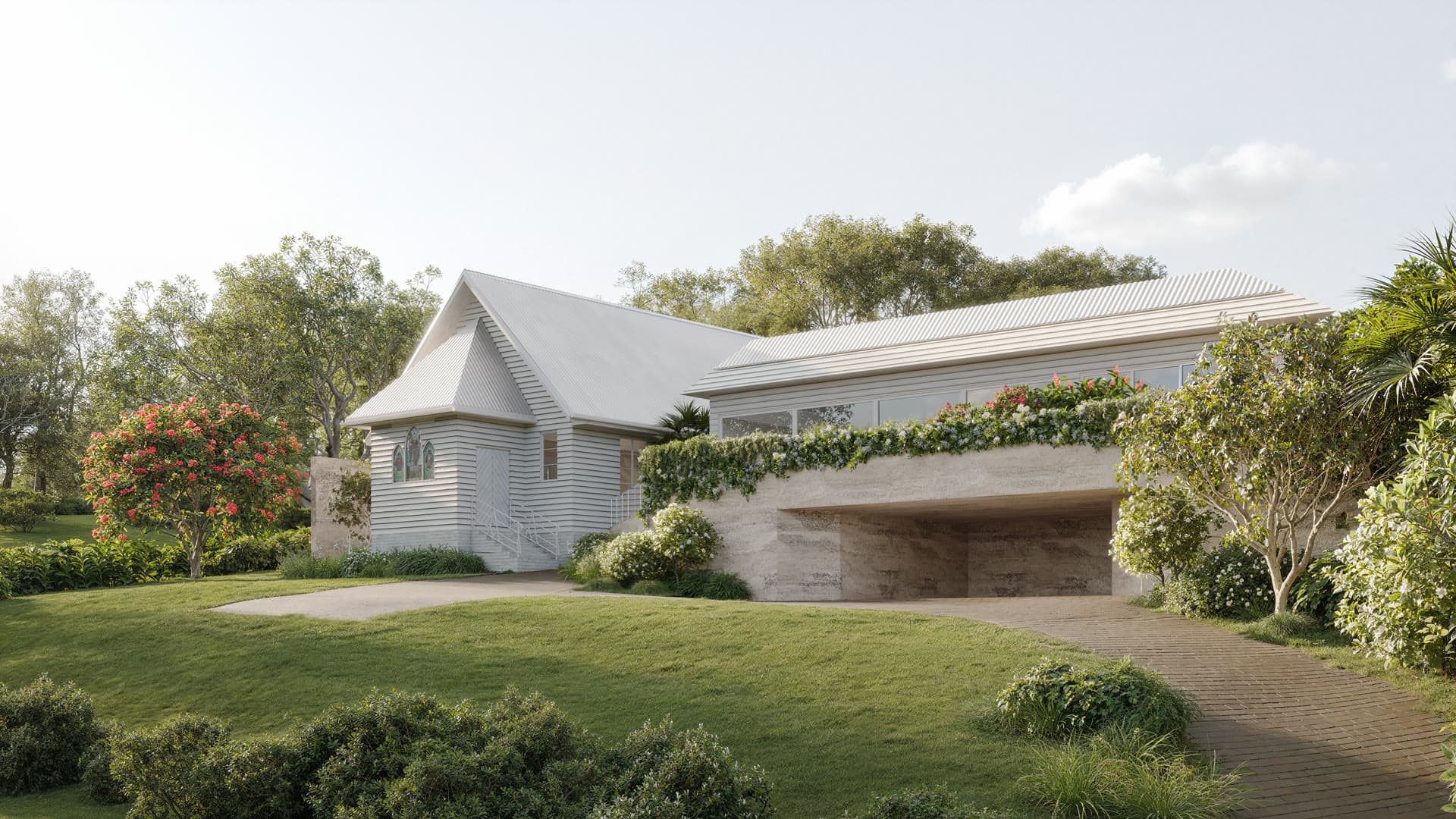
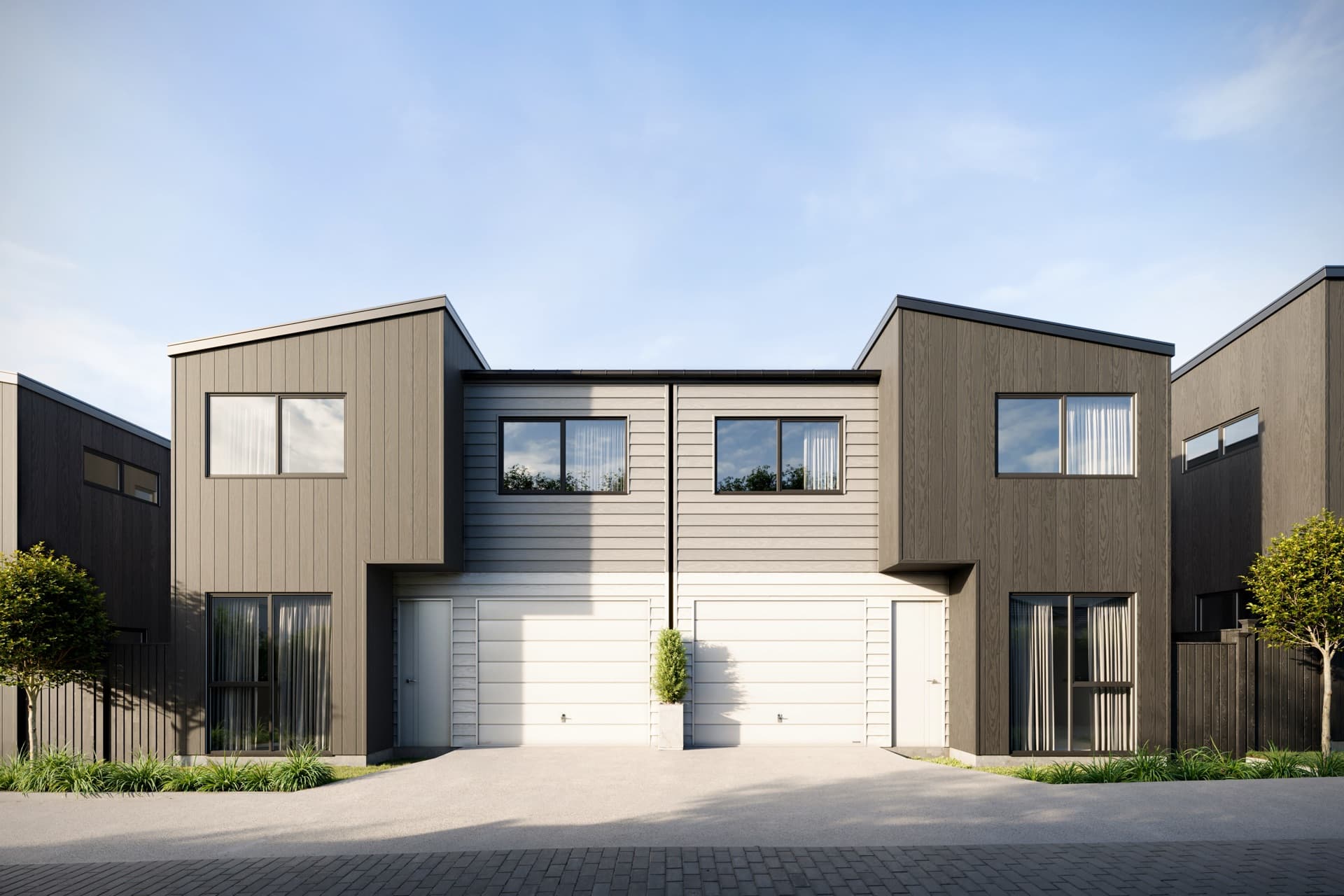
An exterior render shows the building from the outside: the facade, the materials, the landscaping, and how it sits in its street or surroundings. It is the first image a buyer sees in a listing or a brochure, and it does the job of curb appeal before the building exists.
That first impression carries real weight. A 2025 study led by Sriram Villupuram at the University of Texas at Arlington, published in The Journal of Real Estate Finance and Economics and reported by Phys.org, found homes with strong curb appeal sold for about 7% more on average. That figure is about existing homes that buyers can drive past. For an off-the-plan development, there is nothing to drive past, so the exterior render is the only way to create that kerbside impression before construction starts.
Exteriors are also the bigger production job. There is more to model and light: the full building envelope, the landscaping, the neighbouring context, and the daylight across the scene. That extra work is the main reason exteriors usually cost more than interiors and exteriors usually take longer to produce.
What does an interior render actually show?
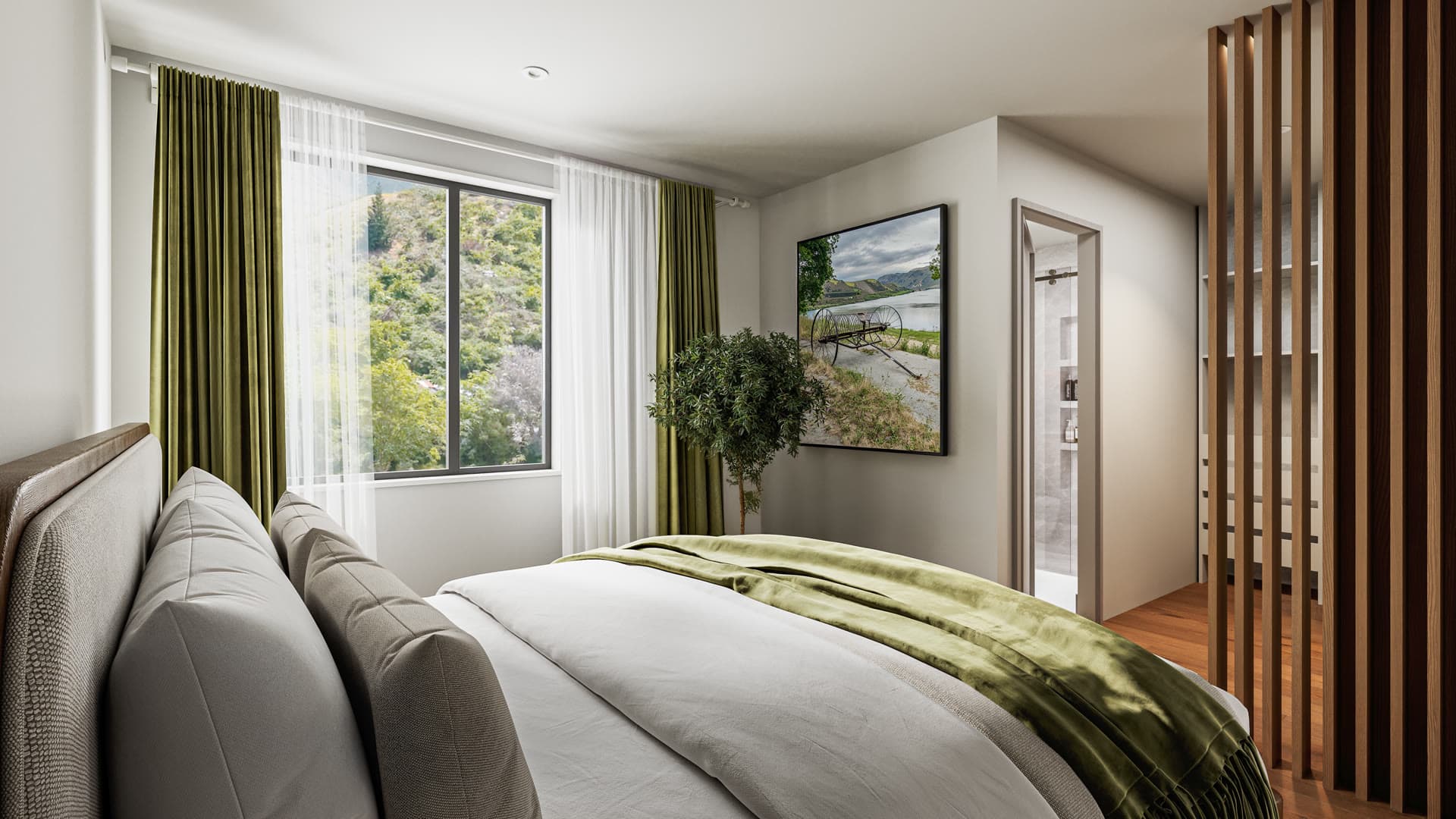
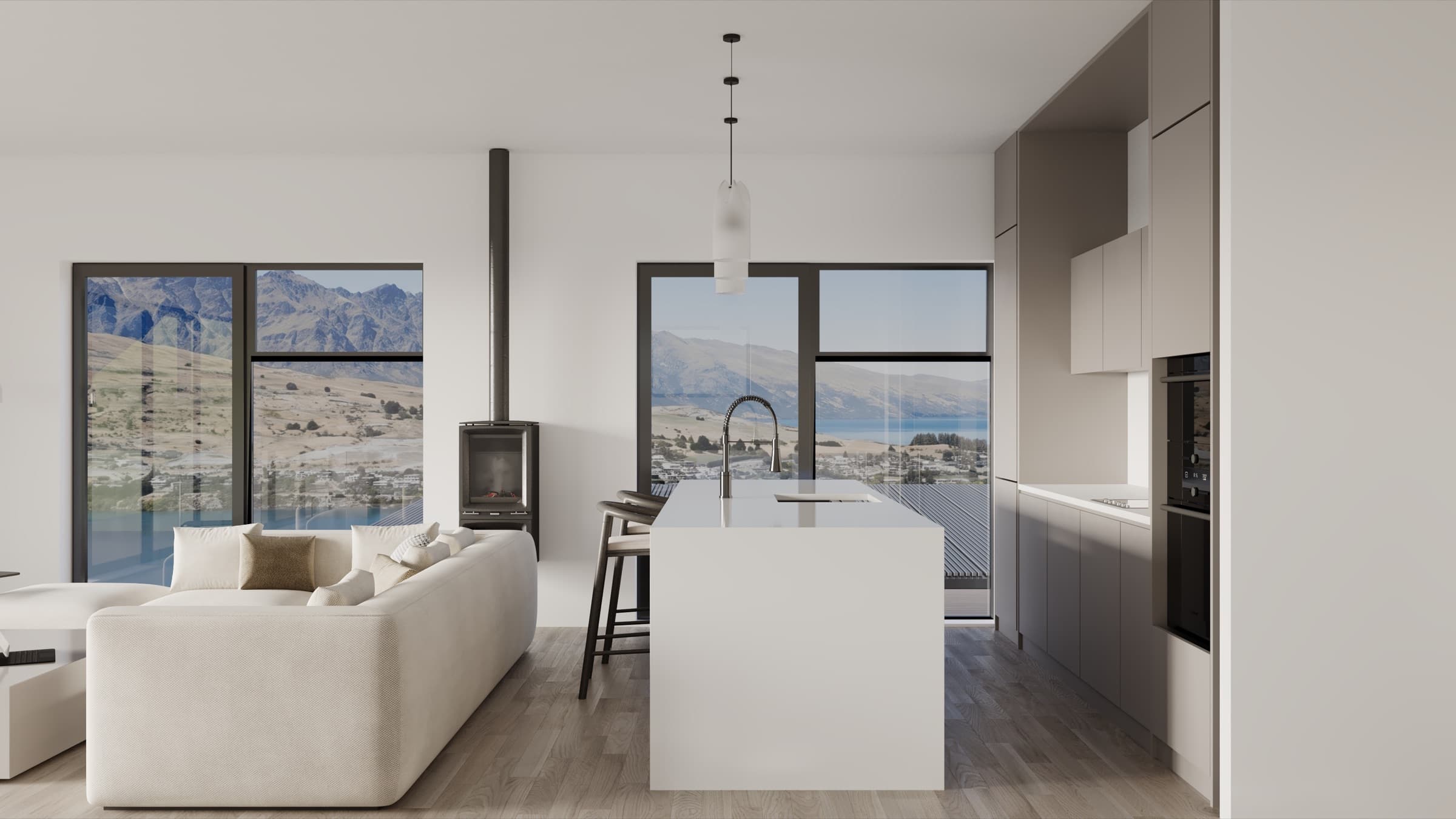
An interior render shows a contained space: a single room with its finishes, fittings, light, and a sense of how someone would live in it. It answers the questions a buyer asks once the building has caught their eye. How big is the living area? What does the kitchen look like? Does the bedroom get morning sun?
The rooms you choose to render matter. The National Association of Realtors' 2025 Profile of Home Staging found agents rated the living room the most important room for buyers (37%), followed by the primary bedroom (34%) and the kitchen (23%). That ranking is about staging finished homes, but it points to the same priority for a development: render the living space and kitchen first, because those are the rooms buyers weigh up hardest.
Interior vs exterior renders compared
| Exterior render | Interior render | |
|---|---|---|
| What it shows | The building, facade, materials, landscaping, and street context | One room: finishes, fittings, light, and lifestyle feel |
| What it is best for | First impression, curb appeal, the hero marketing image | Helping a buyer picture living in the space and judging room sizes |
| Typical use | Listing lead image, brochure cover, signage, the development's identity | Floorplan support, room-by-room galleries, sales suite displays |
| Production effort | Higher: full envelope, landscaping, context, and daylight to model | Lower: a single contained space to light and dress |
Which renders do I need for my development?
For most developments you need both, and a sensible starting package is one hero exterior plus a few interiors of the key room types. The exterior earns the click and sets the development's identity. The interiors close the gap between interest and a deposit by showing buyers the spaces they will spend their time in.
How you split the budget depends on what you are selling:
- Apartments and townhouses off the plan: lead with one strong exterior, then interiors of each unit type's living space and kitchen. Buyers cannot walk the unit, so the interiors carry the sale.
- A single architectural home or a small infill site: the exterior often does most of the work. One or two interiors of the main living area are usually enough.
- A large mixed development: you may want several exteriors (different aspects, day and dusk) plus a full interior set across each unit type.
There is a volume reason to commission both as well. Zillow Research found listings with 22 to 27 photos are about the optimal count, and that homes with fewer than nine photos are roughly 20% less likely to sell within 60 days. Those numbers come from photographs of real homes, but the lesson transfers cleanly: buyers want to see a lot, inside and out. For an unbuilt development, renders are the only way to give them that spread before there is anything to photograph.
When does one type matter more than the other?
The exterior matters most when you are competing for attention. It is the image in the search results, on the hoarding, and on the brochure cover, so it carries the development's first impression on its own.
The interior matters most when a buyer is close to deciding. Once they like the building, they want to know whether the living area suits them and whether the kitchen is the one they pictured. That is also where renders do their heaviest lifting in a presales campaign, which is the whole point of using renders to drive presales: you sell the lifestyle before a brick is laid.
Frequently asked questions
Do I need both interior and exterior renders?
For most developments, yes. The exterior render is your hero marketing image and first impression, while interior renders show buyers the rooms they will live in. A common starting package is one hero exterior plus a few interiors of the key room types, then you scale up from there based on how many unit types you are selling.
Are exterior renders more expensive than interior renders?
Usually, yes. Exteriors cost more and take longer because there is more to model and light: the building envelope, landscaping, surrounding context, and daylight across the whole scene. An interior is a single contained space, so it is generally quicker and cheaper to produce.
Which interior rooms should I render first?
Start with the living area and kitchen. The 2025 NAR Profile of Home Staging found agents rated the living room (37%) and kitchen (23%) among the rooms buyers weigh up most, alongside the primary bedroom (34%). Render those first, then add bedrooms, bathrooms, and outdoor living if the budget allows.
Can I market a development with only exterior renders?
You can, but you will usually sell better with interiors too. An exterior alone shows buyers the building but not the spaces inside it. For off-the-plan sales, interior renders are often what convince a buyer to commit, because they are the only way to see the rooms before construction is finished.