Resource consent
How Do 3D Renders Help With Resource Consent in New Zealand?
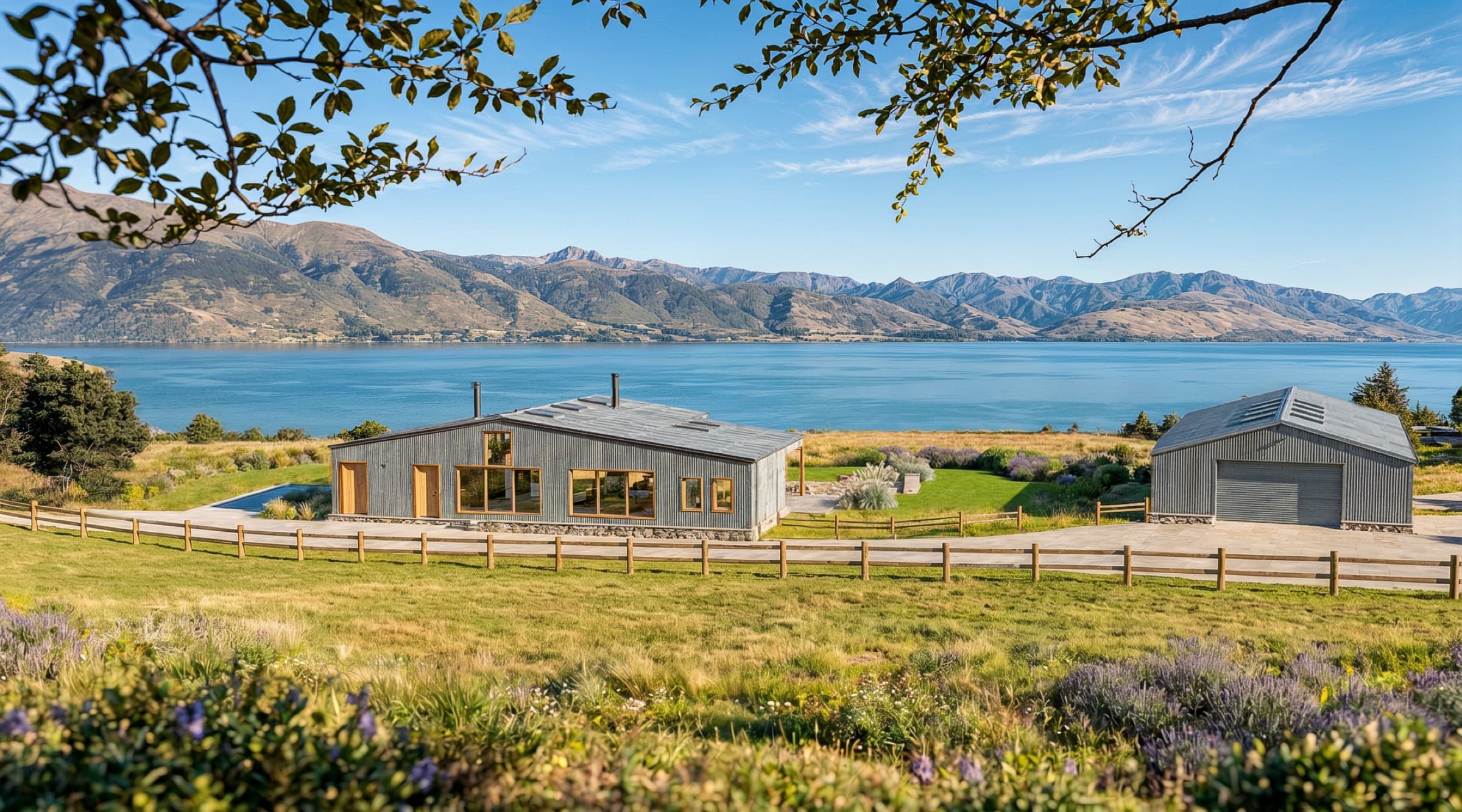
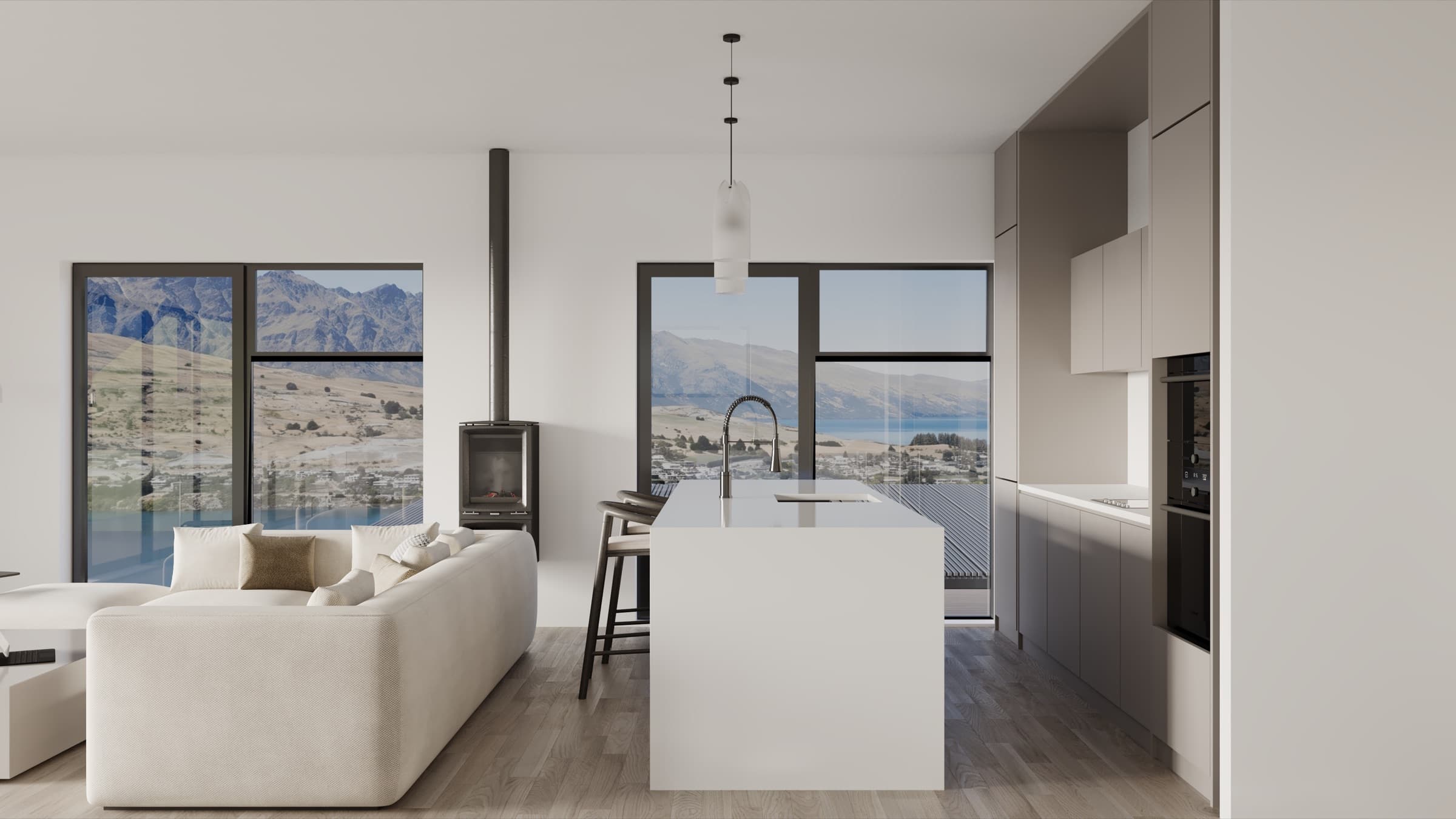
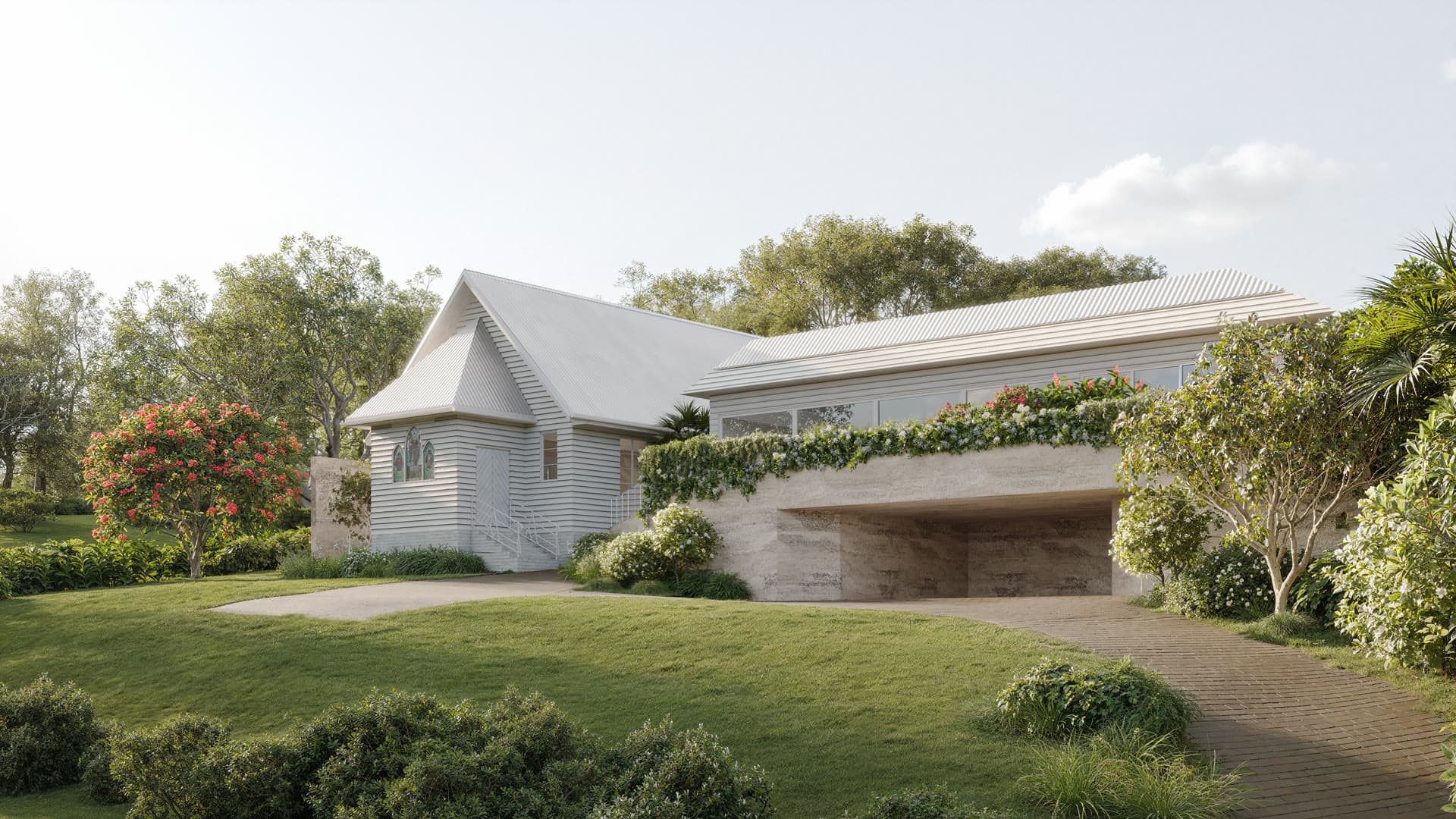
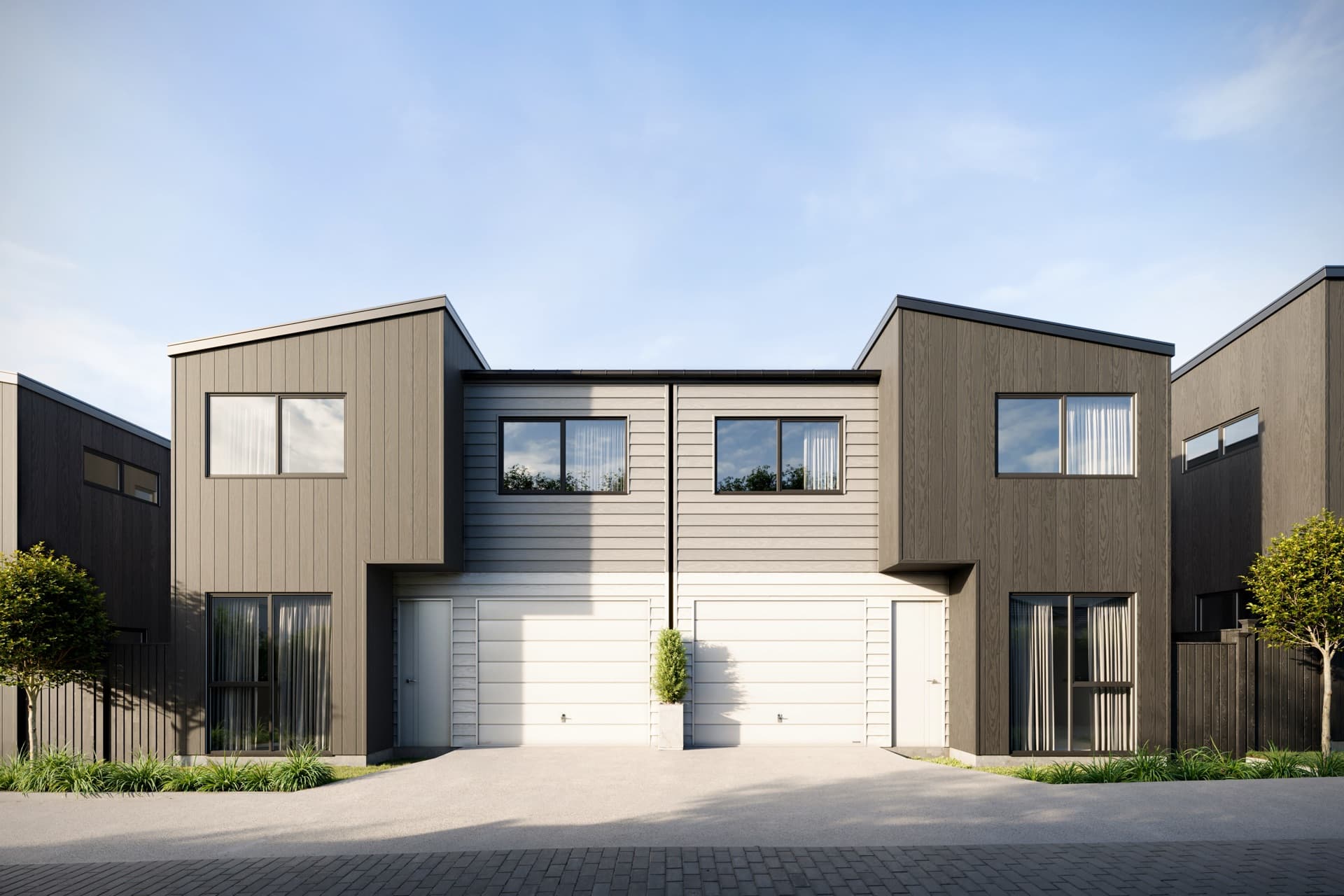
3D renders help a resource consent application by showing decision-makers and neighbours exactly what a proposal will look like and how it will affect its surroundings. Accurate visual simulations and photomontages illustrate height to boundary, bulk and location, shading, and streetscape effects, which makes the proposal easier to understand and assess. Renders support an application; they do not guarantee consent, and they are not always required.
If you are a property developer or architect in New Zealand, a 3D render is one of the clearest ways to communicate a proposal to a council and to affected neighbours. This guide explains where renders fit in the consent process under current law, what they can realistically do, and where they cannot help. Accuracy matters here, so we have kept the claims conservative.
What law governs resource consent in New Zealand right now?
Resource consents in New Zealand are granted under the Resource Management Act 1991 (RMA), which remains the operative law as of June 2026. When you apply, the council assesses the scale of a proposal's environmental effects and decides how the application is processed, and your application must include an assessment of environmental effects (AEE), as set out in the Ministry for the Environment's guidance on the consent process.
Reform is underway. Two replacement bills, the Natural Environment Bill and the Planning Bill, passed their first reading in December 2025 and are before the environment select committee, but they are not yet enacted. The RMA is the law that applies today, and the framework may change over the coming years. If your project runs over a long timeline, check the current position before you lodge.
How do 3D renders support a resource consent application?
3D renders support a consent application by turning plans and survey data into images a non-technical reader can interpret, which helps the council and affected parties understand the proposal's real-world effects. They are usually supplied as part of, or alongside, the AEE, and they are most useful where the effects of a building are hard to picture from drawings alone.
A visual simulation (often a photomontage, where the proposed building is composited into a real site photograph) typically helps show:
- Height in relation to boundary: how the building sits against the boundary line and neighbouring sites.
- Bulk and location: the apparent mass of the building and where it sits on the site.
- Shading and daylight: how the proposal casts shadows across neighbouring properties and outdoor spaces at different times.
- Streetscape effects: how the building reads from the street and within the surrounding context.
Quality Planning, the official RMA good-practice resource, notes that computer visualisation techniques, including visual simulations and photomontages, assist landscape assessment, and that they should follow recognised good-practice guidance. The point is that renders make effects legible, not that they make a weak proposal acceptable.
When is a visual assessment actually required?
A visual or landscape assessment is required only in some cases, not all. Councils ask for one where it helps them judge effects, typically for sensitive landscapes, over-height buildings, or large-scale proposals. For many straightforward applications, it is not needed at all.
Auckland Council's design guidance on landscape assessments is explicit that not all proposals will require a landscape effects assessment. It also expects design to respond to daylight access, visual dominance, the street, and privacy. Treat a render as a tool you use when it earns its place, and confirm with your planner or the relevant council whether your specific application needs visual material before you commission it.
Can 3D renders help reduce neighbour objections?
3D renders can help reduce neighbour objections by giving affected people a clear, honest picture of what is proposed, which makes it easier for them to understand the effects on their property and, where they are comfortable, to give written approval. The mechanism is understanding, not persuasion, and the benefit is not guaranteed.
This matters because of how applications are notified. If a proposal's adverse effects on the environment are likely to be more than minor, the application must be publicly notified. Where effects on neighbours are no more than minor and the affected persons give their written approval, a non-notified path can be possible, as Waikato Regional Council explains in its guidance on notified and non-notified applications. A clear render can help a neighbour see that, for example, a new wall will not block their afternoon sun as much as they feared, which can make a written approval easier to give.
A note on honesty: there is no authoritative New Zealand data showing that renders reduce objections by any specific amount, so be wary of any figure that claims one. The reasonable claim is that good visuals support understanding, which can support written approval in the right circumstances.
How is a consent render different from a marketing render?
A consent render must be accurate above all else, while a marketing render is built to sell. The two have different jobs, and using a flattering sales image where the council needs an honest one can undermine your application.
The NZILA's Te Tangi a te Manu landscape assessment guidelines (2021) state that visual simulations should be prepared to a high standard of accuracy and give a realistic, honest appraisal of likely visual effects, and that they are ideally peer reviewed. In practice that means correct camera positions, true scale and proportions, realistic materials and tones, and no artistic licence that hides an effect.
| Aspect | Consent / planning render | Marketing render |
|---|---|---|
| Main purpose | Show likely effects accurately | Sell the development |
| Camera and viewpoint | Set to represent real, relevant viewpoints | Chosen for the most appealing angle |
| Scale and proportion | Must match plans and survey | Can be stylised |
| Lighting | Realistic for the assessed conditions | Often idealised |
| Standard to meet | Good-practice accuracy, peer review where appropriate | Brand and visual appeal |
Render Works produces accurate 3D visualisations from plans and site survey data, which is the type of input a planning-grade visual needs. The accuracy of the output depends on the accuracy of the inputs, so the quality of your plans and survey matters.
What do you need to provide, and how much do renders cost?
To get a useful consent render, you provide the building plans, site survey data, and information about the site and its context. The more accurate and complete those inputs are, the more reliable the render will be, which is why planning-grade visuals lean heavily on survey data rather than approximation. For a full list, see our guide on what to provide for a 3D render project.
Cost depends on the number of views, the complexity of the design, and whether you need stills or video. A single still render runs roughly $500 to $2,500, and a set of stills for a development sits in the range of $3,000 to $20,000. For a fuller breakdown, see our guide on architectural render cost in New Zealand.
How do render timelines fit with consent deadlines?
Plan your render lead time backwards from your consent lodgement date. At Render Works, stills typically take about three weeks from approval, with three rounds of revision as standard, so commission early rather than in the final week before you lodge. If a council requests further visual information mid-process, you also want enough room to produce it without stalling your application. For more on scheduling, see our guide on how long architectural renders take.
Frequently asked questions
Are 3D renders required for a resource consent in New Zealand?
No, 3D renders are not always required. Councils ask for visual simulations or a landscape assessment in some cases, typically for sensitive landscapes, over-height buildings, or large-scale proposals. Auckland Council guidance states that not all proposals will require a landscape effects assessment. Check with your planner or the relevant council whether your specific application needs visual material.
Do 3D renders guarantee my resource consent will be approved?
No. Renders support an application by helping the council and affected parties understand the proposal and its likely effects, but consent is decided on the merits of the proposal against the relevant plan and the RMA. A clear, accurate render can help your case, but it cannot make a non-compliant proposal acceptable.
What is the difference between a notified and non-notified application?
If a proposal's adverse effects on the environment are likely to be more than minor, the application must be publicly notified. Where effects on neighbours are no more than minor and the affected persons give written approval, a non-notified path can be possible. Clear visuals can help affected people understand a proposal well enough to consider giving that approval.
Can a marketing render be used for a consent application?
It is not advisable. Consent visuals must be accurate and give an honest appraisal of likely effects, while marketing renders are built to look appealing. NZILA guidance says visual simulations should be prepared to a high standard of accuracy and, ideally, peer reviewed. Commission a render intended to represent the proposal truthfully.
What does a 3D render show for a consent application?
A consent render typically shows height in relation to boundary, the building's bulk and location on the site, shading and daylight effects on neighbouring properties, and how the building reads from the street. These are the effects councils and neighbours most often need to understand and that drawings alone do not convey well.