Case study
Lemon Street
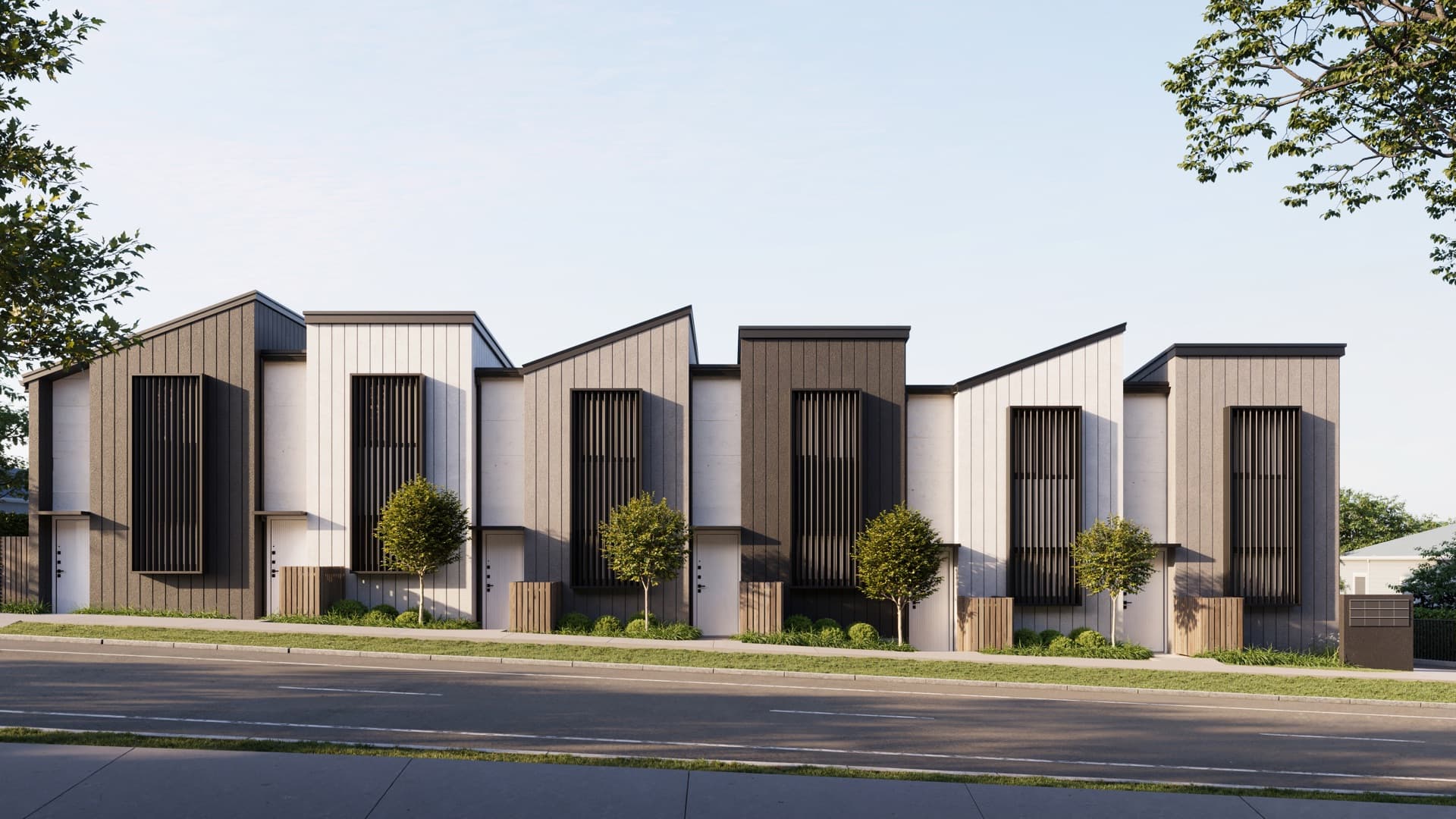
For Cole Wenmoth's Lemon Street townhouse development in New Plymouth, Render Works produced the full marketing visual set before the homes were built: a mix of exterior and interior 3D renders, drone imagery, and a long-form cinematic walkthrough video. Every asset was finished ahead of the sales campaign, so buyers could see the homes accurately while they were still off-plan.
What is Lemon Street and who is building it?
Lemon Street is a townhouse development in New Plymouth, in the Taranaki region of New Zealand. The builder behind it is Cole Wenmoth, a New Plymouth builder. The homes were visualised before construction, which is why the marketing leaned on 3D renders, drone imagery, and video rather than photography.
The job for Render Works was to give buyers a true picture of the townhouses while they were still off-plan. That meant building each render to the real specification, not a generic idea of what the homes might become, so the imagery a buyer judged matched the home that would actually be built.
What did Render Works deliver for Lemon Street?
Render Works delivered a connected set of visual assets for Lemon Street, listed below, all produced ahead of the sales campaign.
| Deliverable | What it involved |
|---|---|
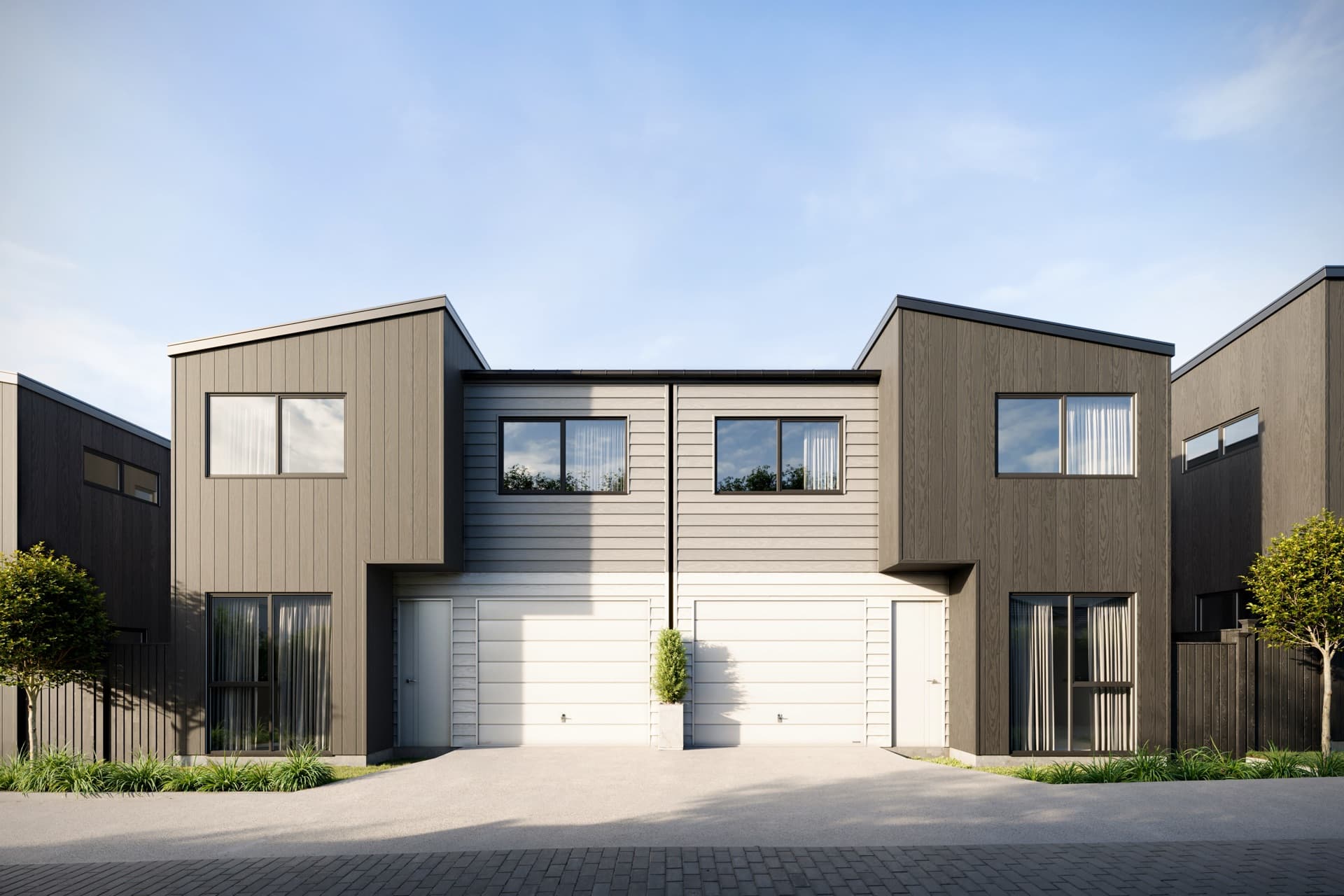
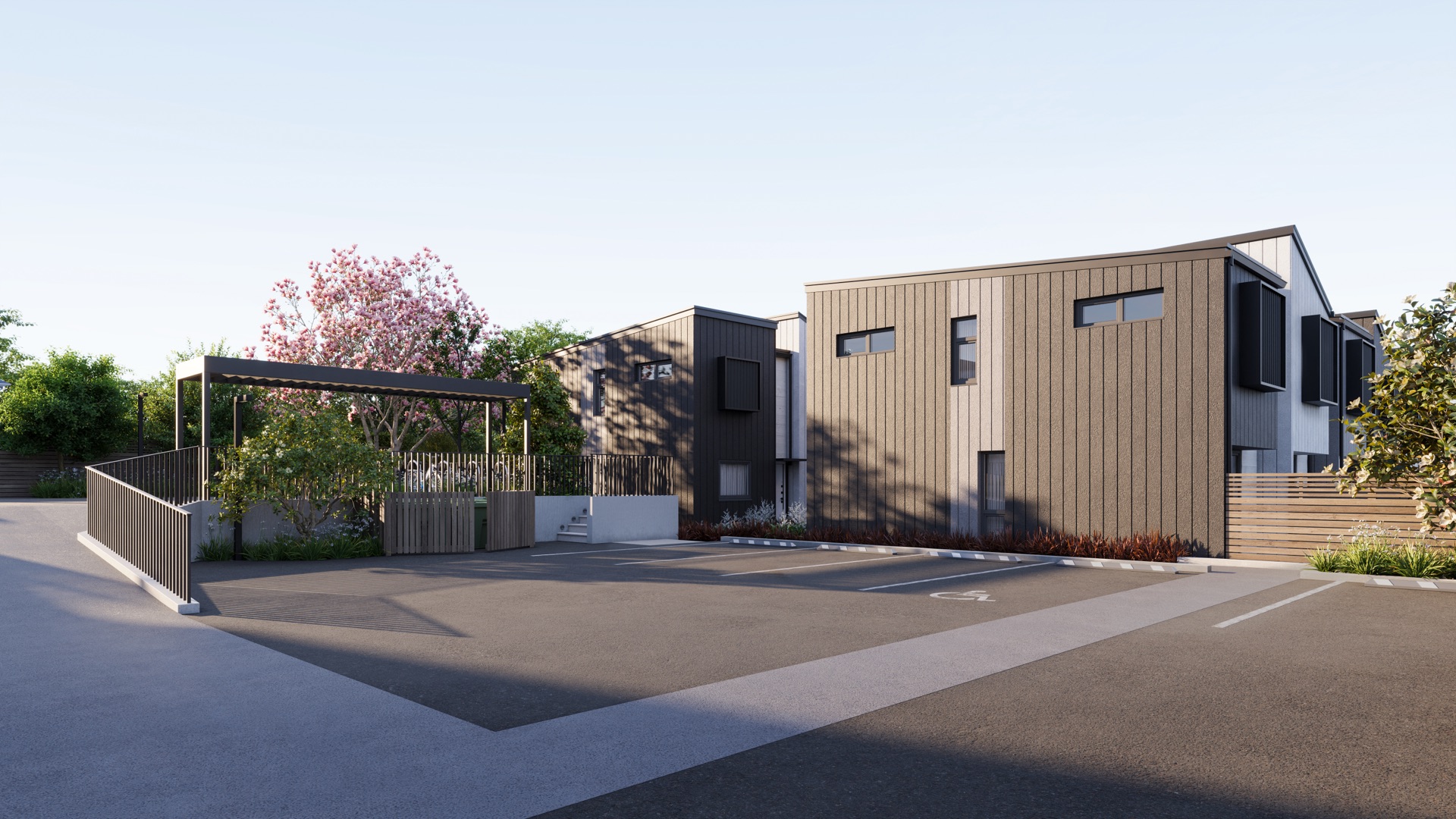
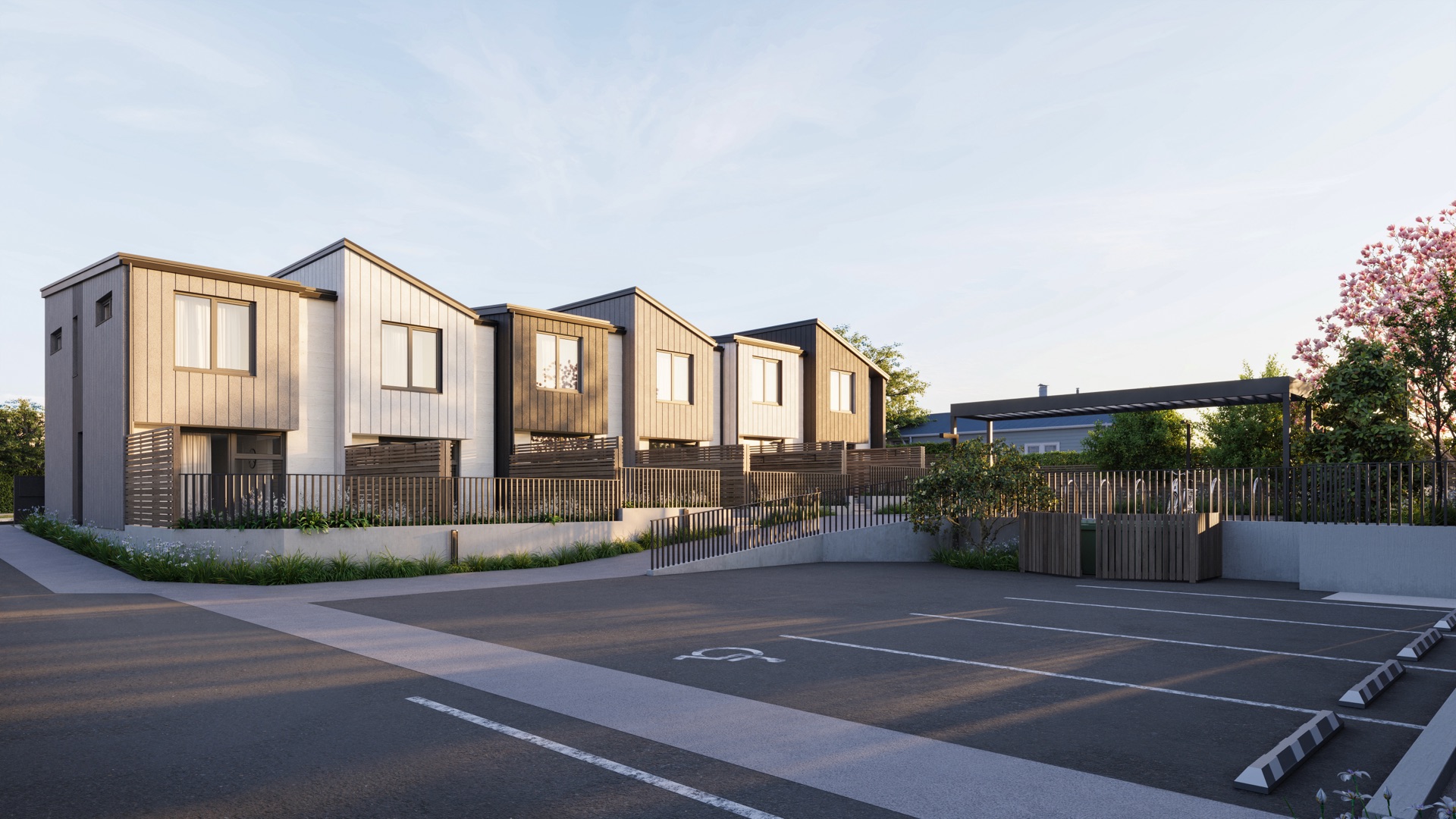
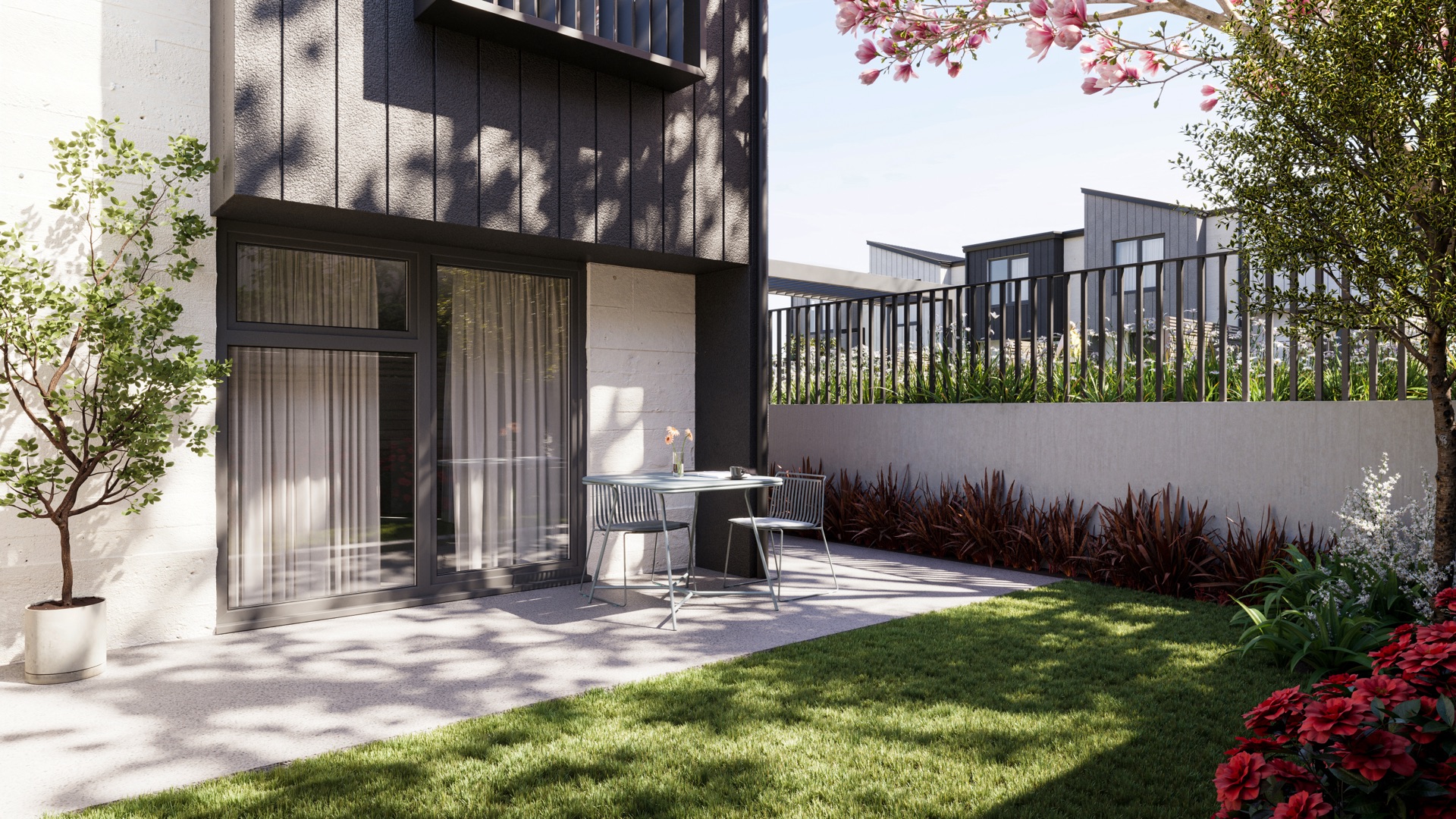
| Exterior 3D renders | Photorealistic stills of the townhouses from the street and key approaches, built to the real specification down to the white front doors, the exposed-aggregate concrete driveway, and the natural timber retaining. |
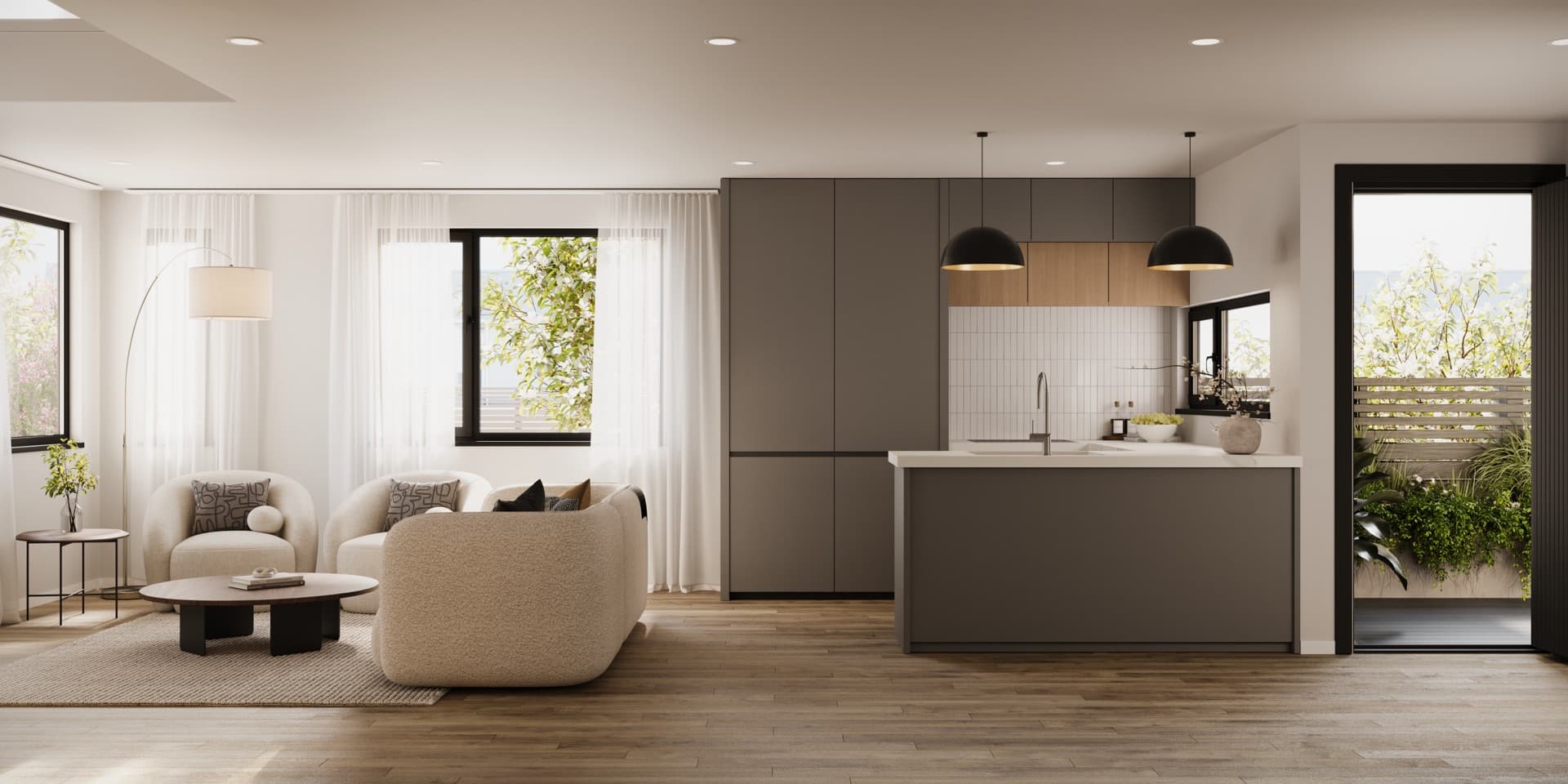
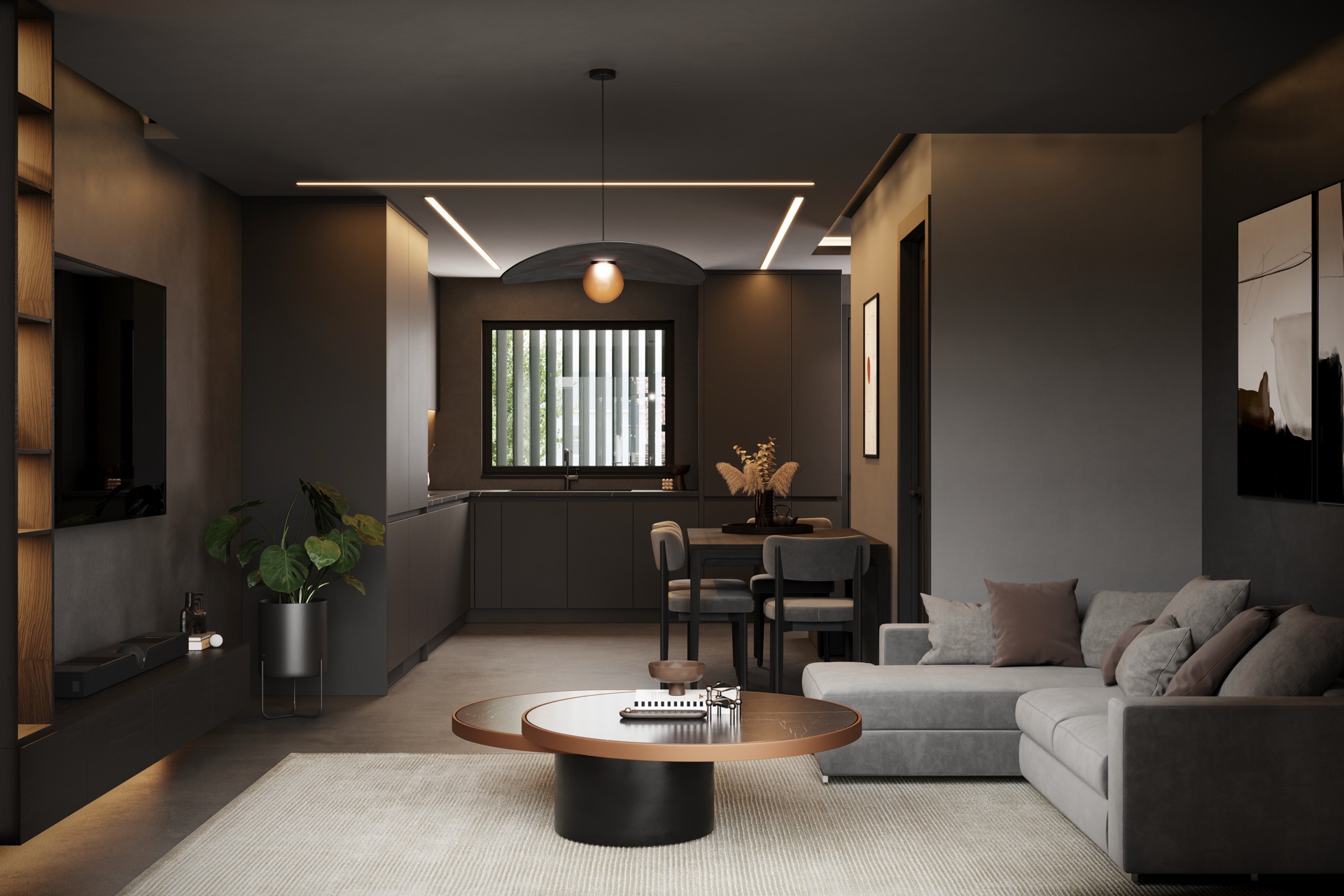
| Interior 3D renders | Stills of the key living spaces inside the homes, finished to read as completed rooms before construction. |
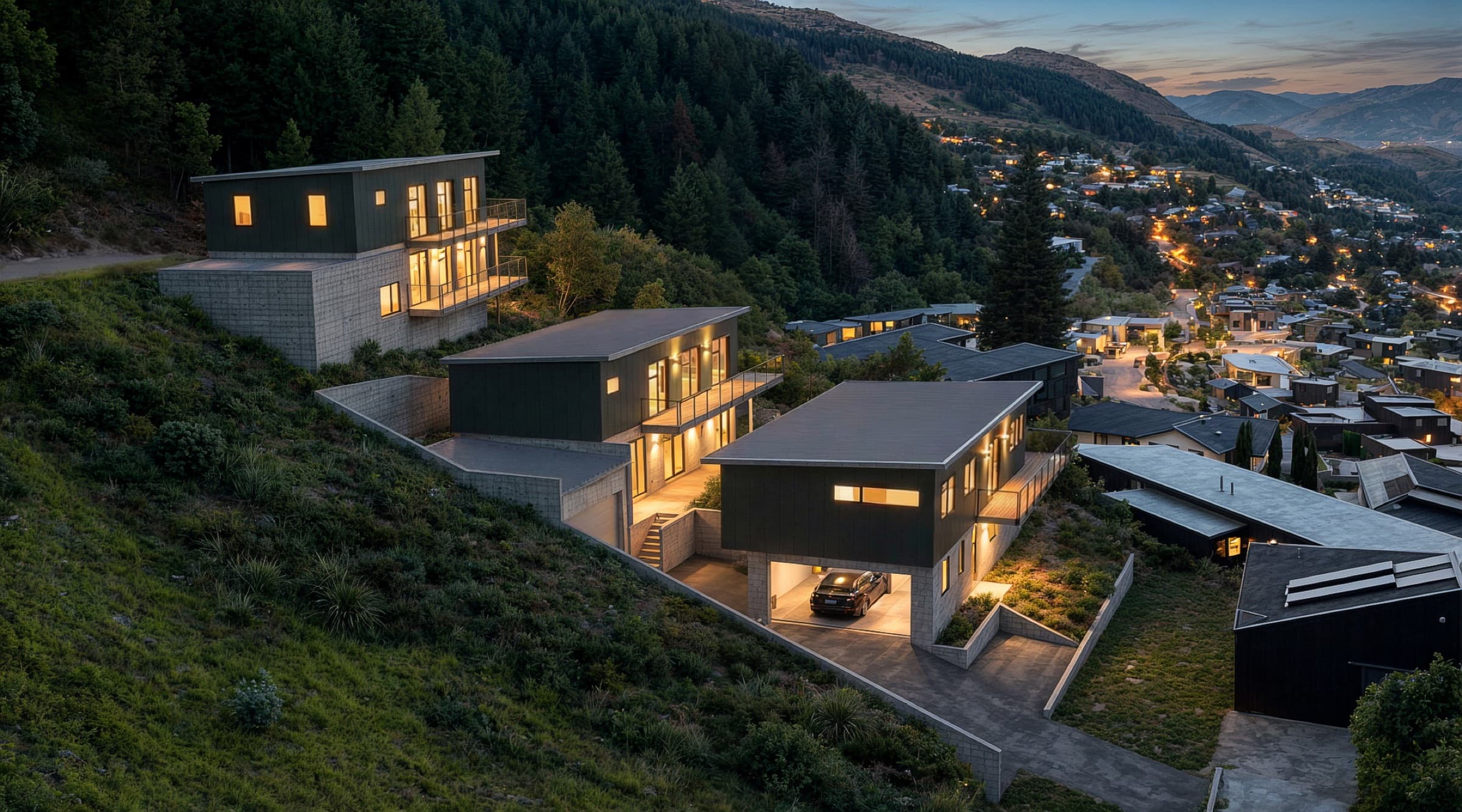
| Drone imagery | Aerial views placing the development in its New Plymouth setting and showing the site in context. |
| Cinematic walkthrough video | A long-form walkthrough that moves through and around the homes, giving buyers a sense of scale and flow that stills alone cannot. |
Grouping the assets matters. When one studio produces the renders, the drone imagery, and the video together, they share the same look and the same specification, so the campaign reads as one coherent project instead of pieces assembled from different sources. You can see our approach to the stills in our 3D architectural render service and the moving work in our cinematic walkthrough video service.
A look at the renders
Here is a selection of the Lemon Street visuals from the set, the same imagery that carried the off-plan sales campaign.
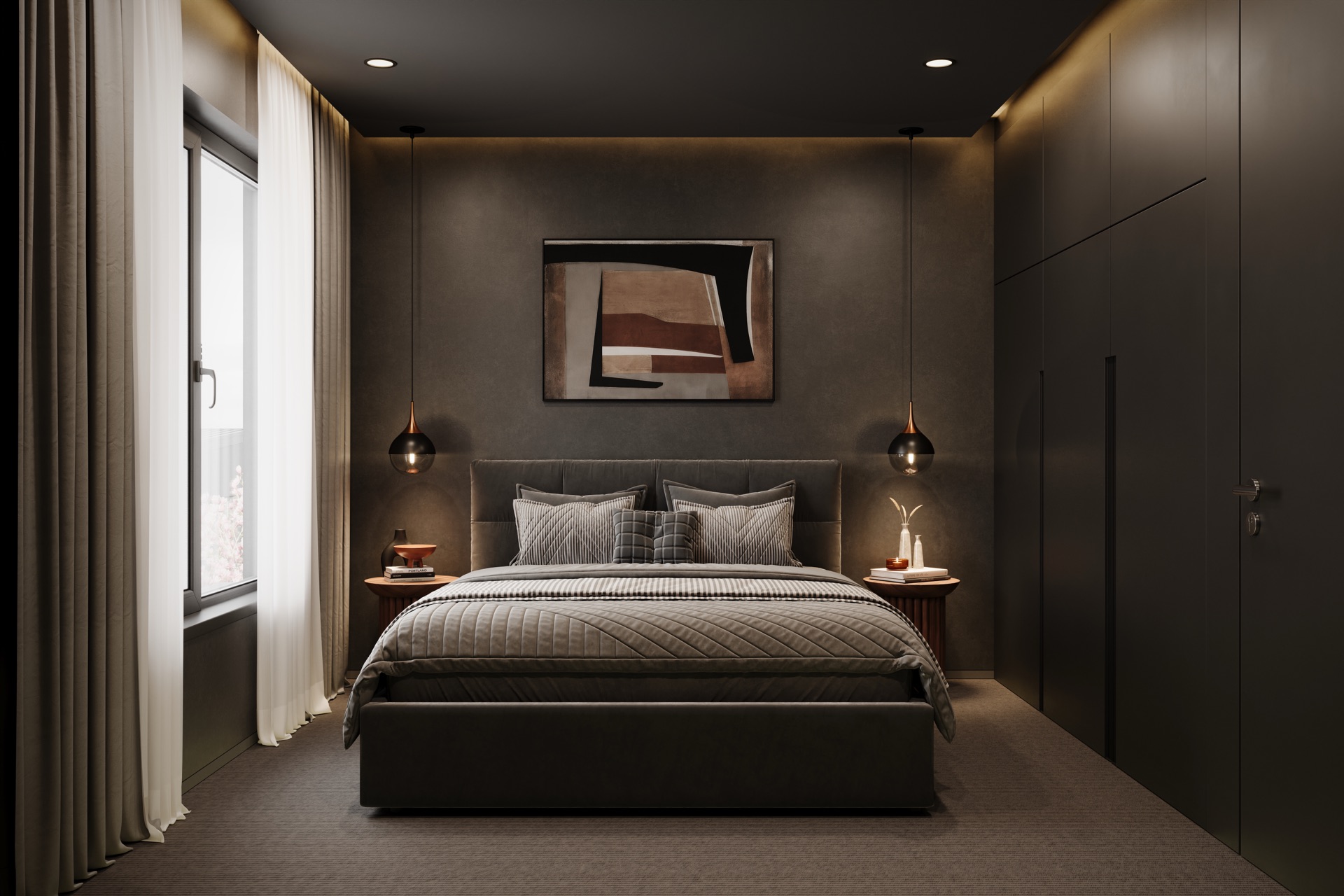
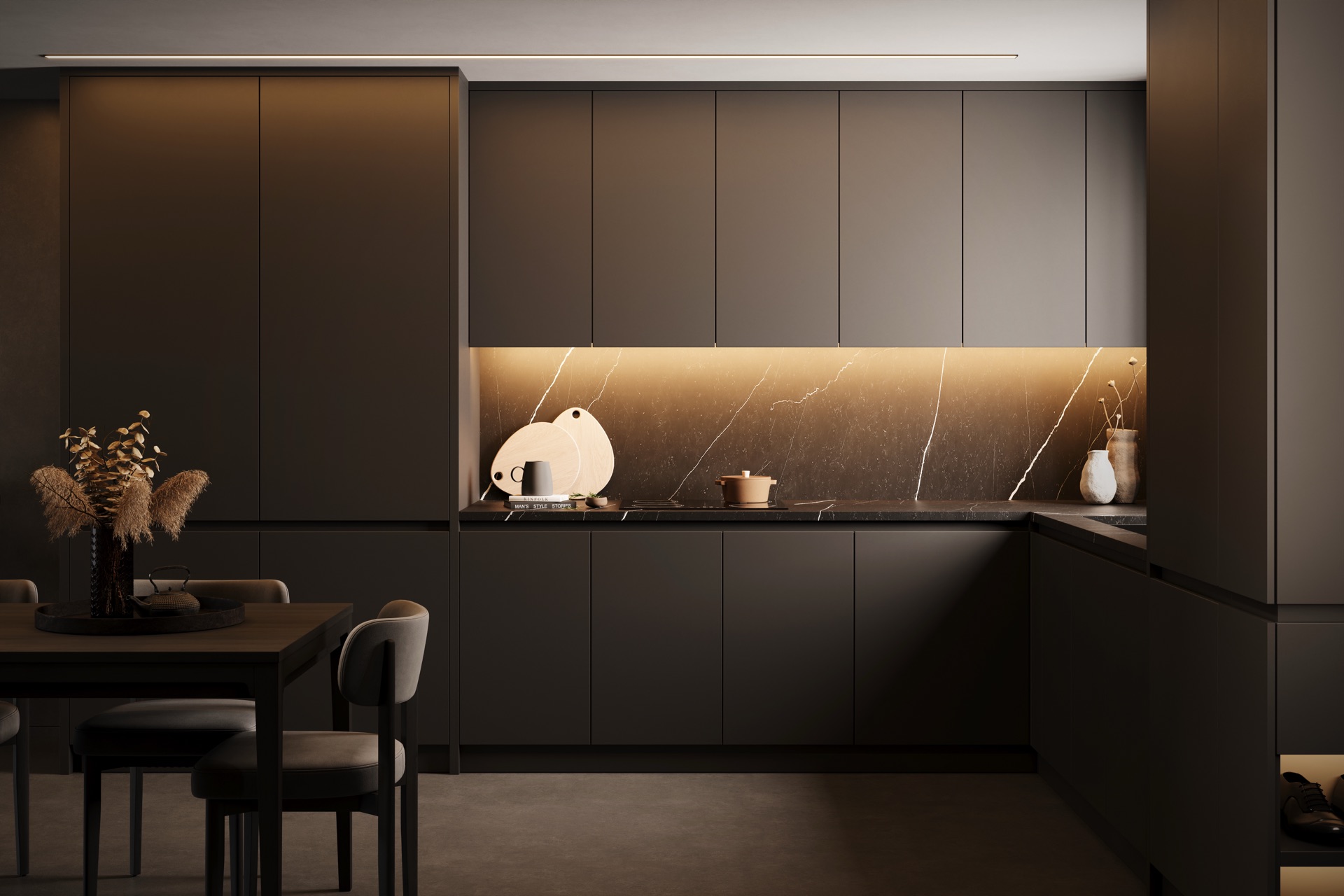
How can buyers trust off-plan imagery for Lemon Street?
The reason buyers can trust the Lemon Street imagery is that every render was built to the real specification, not a flattering approximation. The white front doors, the exposed-aggregate concrete driveway, and the natural timber retaining all appear in the renders because they are what the finished homes will have. When the detail matches the build, the render stops being a sales picture and becomes an accurate preview.
That accuracy is the whole point of off-plan visualisation. A buyer commits before the home exists, so the render is often the only version of the home they can see when they decide. If the imagery overstates the finish, the buyer feels it on handover. Building to spec protects the buyer and the builder, because expectations and reality line up.
The same discipline applies to the drone imagery and the cinematic walkthrough. The aerials show the real site and the video moves through the homes as designed, so the moving and aerial views agree with the stills rather than telling a different story.
Why does video matter for an off-plan development?
Video matters off-plan because a still cannot show how a home flows, and flow is hard for a buyer to imagine from a plan. The Lemon Street cinematic walkthrough moves through and around the townhouses, so a buyer gets a sense of scale, the relationship between spaces, and how the home sits on its site, all before construction.
Stills, drone imagery, and video do different jobs and work best together:
- Exterior and interior stills are the reference images: precise, build-to-spec views buyers return to.
- Drone imagery sets the development in its New Plymouth context and shows the site as a whole.
- The cinematic walkthrough carries the feel and the flow, the part stills cannot show.
You can watch the full piece on the Lemon Street video page.
Why does quality visualisation matter for a New Plymouth development?
Quality visualisation matters because a New Plymouth buyer choosing a townhouse off-plan is judging the homes almost entirely on the marketing, so the imagery has to be accurate and complete. Taranaki's population growth has slowed in line with the wider national trend, according to Stats NZ subnational population estimates at 30 June 2025 (Stats NZ, 2025), which makes presentation more competitive rather than less: developments work harder for each buyer's attention.
In that market, off-plan buyers commit before the homes exist. The renders, the drone imagery, and the walkthrough are frequently the only version of Lemon Street a buyer can see when they decide, so getting them accurate and consistent is most of what the buyer is judging.
Render Works' work on Lemon Street is delivered as a cohesive set of assets: exterior and interior renders, drone imagery, and a cinematic walkthrough, all built to the real specification and finished ahead of the sales campaign. The result is an accurate, consistent visual set that lets buyers trust what they are looking at.
Frequently asked questions
What did Render Works deliver for Lemon Street?
Render Works delivered a mix of exterior and interior 3D renders, drone imagery, and a long-form cinematic walkthrough video for the Lemon Street townhouse development in New Plymouth. All of it was produced ahead of the sales campaign, while the homes were still off-plan.
Where is Lemon Street and who is building it?
Lemon Street is a townhouse development in New Plymouth, in the Taranaki region of New Zealand. The builder behind it is Cole Wenmoth, a New Plymouth builder. The homes were visualised before they were built, which is why the campaign relied on renders, drone imagery, and video.
How can buyers trust the Lemon Street renders if the homes are not built yet?
Because every render was built to the real specification, not a flattering approximation. The white front doors, the exposed-aggregate concrete driveway, and the natural timber retaining all appear in the renders because they are what the finished homes will have. When the detail matches the build, the render becomes an accurate preview rather than a sales picture.
Why include a cinematic walkthrough video as well as renders?
Because a still cannot show how a home flows, and flow is hard for a buyer to imagine from a plan. The Lemon Street walkthrough moves through and around the townhouses, giving buyers a sense of scale and how the spaces relate, all before construction. Stills, drone imagery, and video do different jobs and work best as one set.
When were the Lemon Street assets produced?
All of the Lemon Street visuals, the exterior and interior renders, the drone imagery, and the cinematic walkthrough, were produced ahead of the sales campaign, while the development was still off-plan. Producing them early meant the marketing was ready before the homes existed.